
Nestucca Spit Press Meditations Blog
A Blog by Matt Love
  • Home
  • About
  • NSP Categories
    • NSP Meditations
    • Lost and Found
    • Writing
    • Driftwood Forts
    • Oregon Beaches
    • Of Walking in Rain
    • Oregon Coast_History
    • NSP Correspondents
    • Oregon Tavern Age
    • Astoria
    • Fiction
    • Poetry
  • Back to NSP
  • Contact
RSS
July 7, 2018

Changeover: A Tennis Tale (Part 5)

Matt Love Fiction, NSP Meditations, Sports Inner Game of Tennis, tennis, tennis fiction, tennis short story, tennis tale, Zen tennis

In the spirit of Wimbledon, which began this week, I present a short story I wrote a decade ago, but have recently updated. Enjoy. And get out there and play tennis this summer.

The harem’s squeals of delight broke Chet’s concentration. The ninety seconds were up and Chet arose from the bench and walked out onto the court twirling the Kramer. His opponent delayed a few extra seconds, blew a kiss to the harem, and then sauntered out to receive Chet’s serve and end the match in five minutes. He did not seem to notice Chet was now playing with a wooden tennis racket although a few spectators did, and the phenomenon produced a few text messages and Instagram posts.

Chet tossed the ball into the air and served. He framed the shot and the ball caromed into the fence. He heard some laughter from the bleachers. Then he did not hear anything. Just let go, Chet thought. Let go of everything. “Let it happen” the book counseled at least a dozen times, every one of them underlined in Chet’s copy. Some forlorn player had been here before, where Chet was now, but that was thirty years ago and tennis with wood was long gone, never to return. Chet bounced the ball three times for his second serve. He was aware of his breathing and the overcast Oregon sky. A great calm descended over him, within him, and he let go. He let everything go, bounced the ball two more times and began his service motion. The serve snaked into his opponent’s backhand and a soft return came back, just past the service line to Chet’s forehand. Chet wound up, opened up his stance, and clearly showed his opponent he was going to hit big up the line, going for a winner. This was a brazen challenge. His opponent started moving to accept it, Chet swung without thinking, the Kramer swished through the breeze, the ball met a sweet spot roughly the size of a silver dollar, and the result was the most beautiful sound Chet had ever heard and a sound not heard around the complex in more than two decades.

Chet’s forehand drive landed at the intersection of the up and back lines and bounded into the fence. His opponent never got his racket on it. He did not even bother swinging. He followed the ball as it blew by him and then turned sharply to look at Chet. Their eyes met.

“Out!”

“Sure it was.”

“It was out.”

“You are now conscious. I am not.”

“Whatever.”

Love-15. Chet cut the next first serve into his opponent’s backhand again. A deep yet slow return floated to Chet’s backhand, and his opponent charged the net for the first time in the match. Sprinting to his left, Chet uncorked a two-handed backhand lob that arced and spun and then suddenly dropped out of the sky and down over his opponent’s head like a bird shot in flight. Geometry refuted. He never raised his racket for an overhead. Some applause went up from the bleachers and the grassy knoll behind the court. 15-all. More text messages. Instagram was alive. The apricot midriffs were concerned.

Chet blasted a serve up the line and came in behind it. His opponent rocketed a backhand return that dipped over the middle of the net and headed straight for Chet’s feet. Chet watched the ball’s flight, and on a dead run, executed a dancing forehand drop volley that cleared the net by an inch and rolled to a stop at the service line for a winner. 30-15. Louder applause. More social media blasts.

The next point took twelve minutes, a baseline rally of epic French Open proportions. By the time Chet finally won the point on a topspin forehand drilled up the line that his opponent stopped running down halfway through his pursuit, several hundred people had made their way to the court to witness the novelty of someone playing with a wooden racket and hitting shots they had never seen before. 40-15.

Chet won the next point and the game when his opponent hit a forehand six feet long. A game later, he broke his opponent’s serve at love. One of the rallies went fifty-five hits. Love-6, 2-5. Changeover. Chet skipped to the bench, sat down, and took a long drink from the milk jug. His opponent stood directly over him.

“What are you doing with that racket?”

“That you have asked me that question is the answer.”

“Whatever.”

Love-6, 4-5. Changeover.

Someone shook the fence behind Chet. He turned around and saw a teenage boy he had never seen before filming him with his phone. “Dude, I am shooting this! It is going to be a fucking YouTube classic! “The Return of the Wood” is what I am going to call it. Say something to the camera.”

Chet reached down and picked up The Inner Game of Tennis. He opened it to the last page and read the last two sentences. They were circled in thick red ink. “He plays the rest of the game in the increasing joy of expressing with love his unique humanness, and in accordance with his own given talents and circumstances. He is free.”

“Dude!”

Love-6, 6-5. Changeover.

Chet walked over to the fence. The harem had disappeared except for one girl. She was talking on her phone. Chet asked her if he could borrow it and make one quick call. It was important. She agreed and Chet called Tricia.

She answered on the first ring.

“Do you want to meet after the match, at the Dairy Queen? I am going into the third set in a few minutes and then can meet you for dinner.”

“I see you right now. Look up the hill, next to the tree.”

Chet looked and saw Tricia waving to him as she moved toward the court.

“You have a very interesting match going. What about the new racket?”

“I will tell you at the Dairy Queen.”

“I am buying.”

Love-6, 7-5, 1-love. Changeover. Mr. Love was smiling at the fence. Chet went up to him and held up the Kramer and smiled back.

“How long have you been here?”

“I came in at the moment of your resurrection. By the way, you get an “A” on the presentation and forget the paper. Did you ever find out about the last winner of a Grand Slam tournament to use wood?”

“I think it was John McEnroe for men at Wimbledon in 1981 and Chris Evert at the French Open in 1983.”

“A+. And keep lobbing him down the middle with topspin.”

Chet told Mr. Love thanks for coming to the match and then jogged out onto the court. He could not remember if it was his serve or not. It hardly mattered. The Oregon sky appeared as if it might rain. That did not matter either. Five-hundred spectators crowded around the court. Chet took no notice. He was free.
July 6, 2018

Changeover: A Tennis Tale (Part 4)

Matt Love Fiction, NSP Meditations, Sports Inner Game of Tennis, jack kramer autograph, matt love, tennis, tennis fiction, tennis story, Zen tennis

In the spirit of Wimbledon, which began this week, I present a short story I wrote a decade ago, but have recently updated. Enjoy. And get out there and play tennis this summer.

The reinvention had to start with a new dynamic tennis story for Chet. In the past, Chet inhabited the role of a tennis scrapper, hustler, plodder, an indefatigable human backboard who wore down high school opponents like the Europeans always wore down the Americans on clay. Most high school players had no patience, no staying power on the court. That’s why so many scores were 7-6, 6-love and why Chet won most of his matches 2-6, 7-6, 6-love. He knew if he could hang with an opponent into the third set, he would always win. He always outlasted them. He did not have the tennis talent (or desire) to do this at the collegiate level, there was never any pretense about that, but in high school, the strategy took Chet a long way, to a 17-4 record in league and a fourth seed in the district tournament.

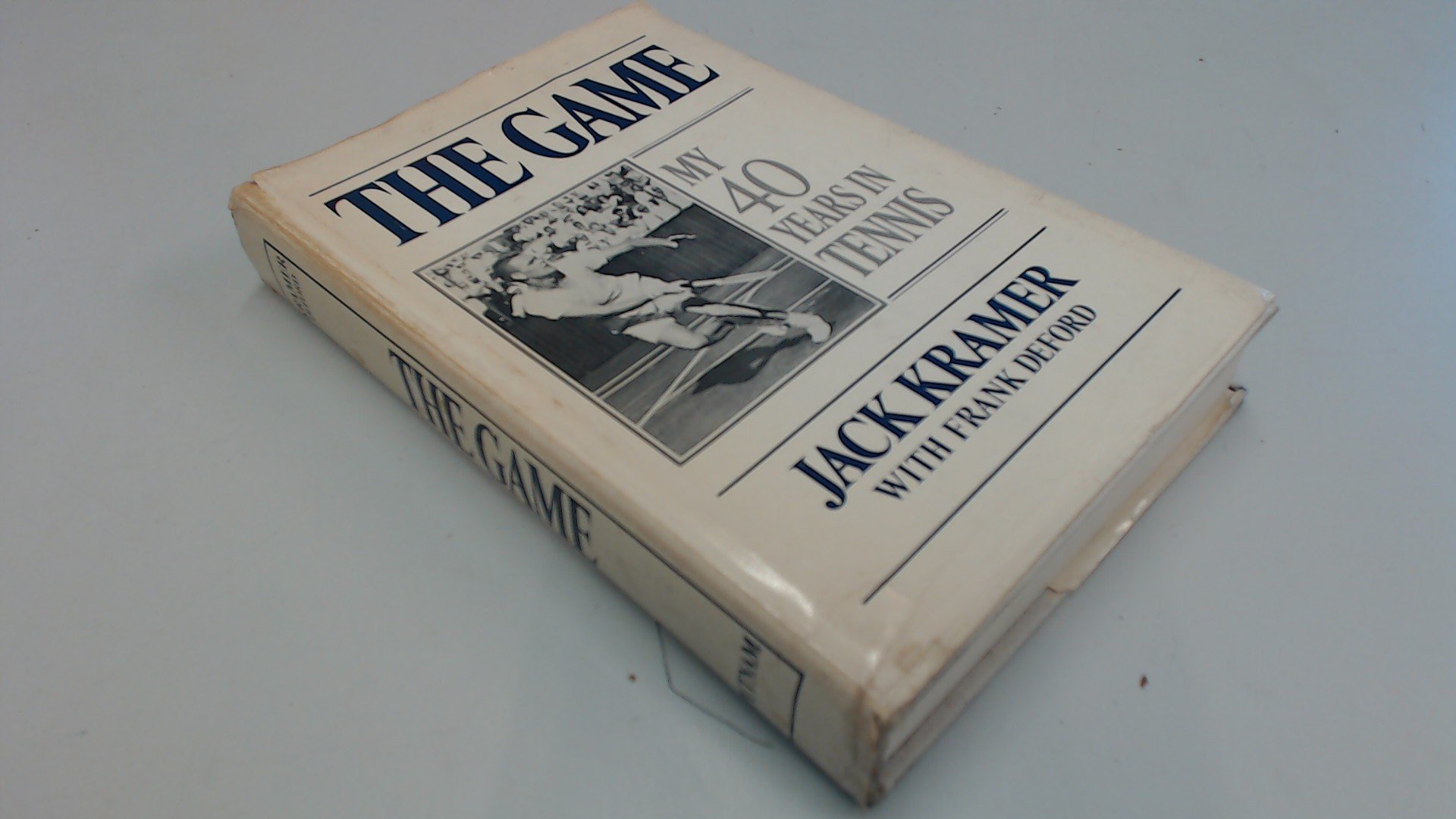
But that scrapper role was now history and Chet detached from it with perfect serenity. Chet knew he must assume a new role, the world beater in American culture, Mr. Love’s favorite obsession to teach about in class…Huck Finn, Sal Paradise, Thoreau, The Ramones, Jackie Robinson, Walt Whitman, Rachel Carson, Ida Wells, Upton Sinclair, early Elvis, early Brando, Orson Welles, Muhammad Ali, Lyndon Johnson and Jack Kramer. One of the books Chet read thoroughly for his project was Kramer’s autobiography, The Game: My Forty Years in Tennis. In fact, Chet could hardly put the book down. What interested him most was Kramer’s vivid retelling of his relentless lead role in the creation of professional tennis in the farcical era of amateurism. Jack Kramer had been a world beater in the finest American tradition, and his merry band of professionals barnstormed the world to places such as La Paz and Khartoum and played exhibitions in ice rinks and airport hangars with mosquitoes, nose bleeds and hangovers. In two decades, Kramer and company busted the ancient monopoly of tournament tennis and ushered the sport into the television age. There had been nothing like it in the history of professional sports and Chet knew that Jack Kramer, above all others, was responsible for the spectacular rise of tennis in America because he took it out of the elite clubs and into the city parks.

My new role, Chet envisioned, will also initiate a return to when tennis reigned, wood was king, American was thin, someone like Jimmy Carter could become President, when The Inner Game of Tennis was a monster bestseller and the basis for a PBS series, and when young boys would ride their bikes to the park, play tennis for hours while listening to Earth Wind and Fire and Stevie Wonder on the radio, and not need a hovering parent fretting over sunburn, dehydration, or obscene lyrics.

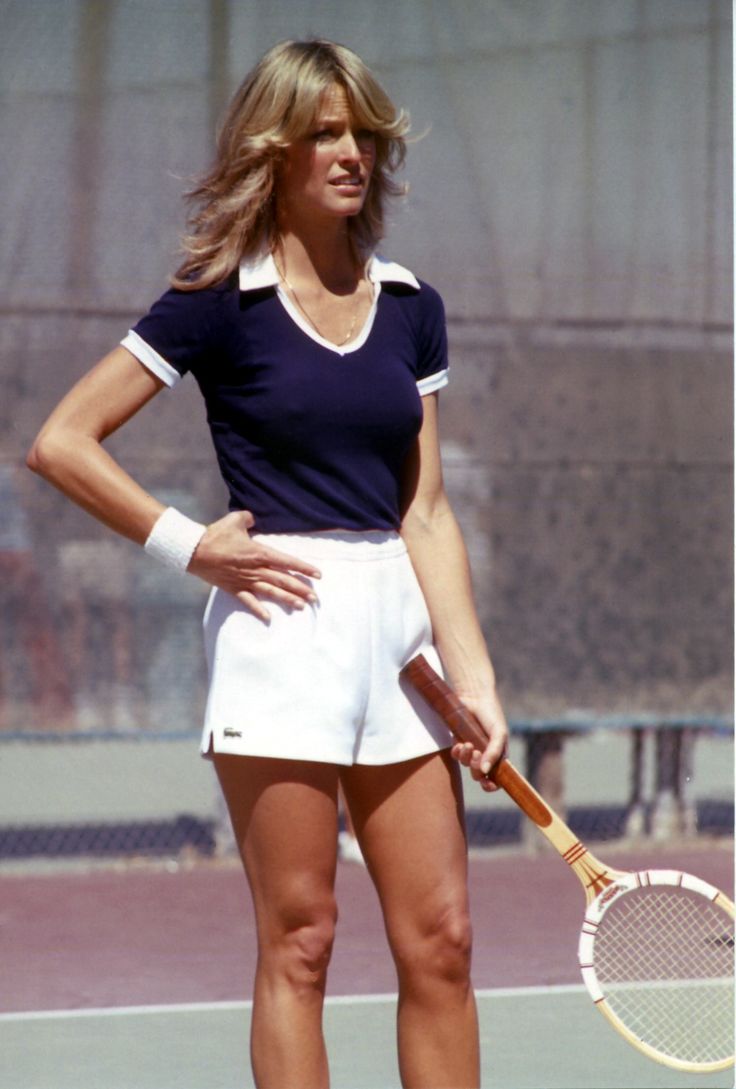
Chet reached into his bag, searching for something by feel. He found it. The Jack Kramer Autograph—the M-1 rifle of American tennis for almost two generations. He hoisted the racket aloft by its leather grip, then twirled it. He lowered the racket and moved his hand to its throat. He brought the racket to his noise and smelled: it smelled like wood, even after three decades of dank garaged exile! It was wood! This racket’s material had once been a stately hardwood tree grown from a seed! From the earth! What an exquisite piece of craftsmanship, of metaphor, a maple and ash laminate, lacquered, stamped with “Made in the USA” on the top of the frame. Chet swung a couple of lazy forehands with the Kramer. He had never hit with it before. The thought had never occurred to him.

July 5, 2018

Changeover: A Tennis Tale (Part 3)

Matt Love Fiction, NSP Meditations, Sports Inner Game of Tennis, jack Kramer, matt love, oregon tennis story, tennis, tennis fiction, tennis short story, tennis tale

In the spirit of Wimbledon, which began this week, I present a short story I wrote a decade ago, but have recently updated. Enjoy. And get out there and play tennis this summer.

Love-6, love-5. Changeover. Chet had won one point in the two games, a double fault when his opponent went for and missed a second serve ace by an eighth of an inch. As they switched ends, Chet’s opponent went directly to the fence and started laughing with his harem, an assemblage now swelled in numbers and attractiveness. He kissed one of the girls and another let him listen to a special song on her phone.

Chet sat down. It was over. His high school tennis career was over and he was finishing it losing love and love, totally alone, in a humiliating public arena. He reached into his bag looking for a solid candy bar and instead found Tricia’s unopened card. He pulled it out and tore open the envelope. Tricia had painted a watercolor tennis scene on the cover. Inside, she wrote, “Good luck at district. I wish I could be there.” Chet put the card back into the envelope. He went back into the bag for the candy bar. Instead, he pulled out a hardback book, The Inner Game of Tennis. Chet had skimmed it recently for his history project for Mr. Love’s American Civilization class, which entailed researching some lost aspect of American popular culture, collecting its artifacts, writing a ten-page paper, and making a presentation to the class utilizing the artifacts. The working title for Chet’s project was “The Rise and Fall of Tennis in America” and it was a historical study of tennis’ meteoric rise in popularity in the 1970s, the Studio 54 days of golden rivalries between Connors, McEnroe and Borg, the sexy placid domination by Chris Evert, the feminist landmark when Billie Jean King routed Bobby Riggs in the Battle of the Sexes on prime time television while Howard Cosell provided color commentary, when the Rolling Stones played, when Virginia Slims cigarettes sponsored the women’s pro tour, when the New Yorker routinely ran long fact pieces on tennis.

Mr. Love had suggested the topic to Chet and Chet was enthusiastic about it, but unsure what constituted tennis artifacts, or where he would find them. To this, Mr. Love said, “Go to thrift stores and notice patterns.” He also told Chet to discover the identity of the last male or female tennis player to win a Grand Slam singles event using a wooden tennis racket. This information might prove interesting to include in the paper, perhaps in the form of a trivia question in the opening paragraph.

Several weeks ago, Chet and Tricia had driven to Portland in her brown Pinto and hit ten thrift stores and it had been the best fun time of his life. After three stops, patterns emerged: the stores were full of wooden tennis rackets, many screwed in their presses, and also full of tennis instruction books, many never opened. Further patterns emerged: one racket model dominated—the Jack Kramer Autograph; one instruction book dominated—The Inner Game of Tennis. Jack bought a Kramer in mint condition for $5 and a heavily annotated The Inner Game of Tennis for $1.

Chet barely cracked the book and was certain the it would not end up in his paper’s bibliography. But now, The Inner Game of Tennis rested in Chet’s hands during a changeover with Chet behind love-6, love-5. He opened it at random and read one of the underlined passages, “Observe how you feel if you fail.” He turned to another page, “Only when the mind is still is one’s peak performance reached.” Then another, “It is a painful process to fight one’s way out of a deep mental groove.” And finally, “Let the flower grow.”

Chet observed his failure: there was no one who cared for him watching his last match as a high school tennis player. Chet stilled his mind: he heard nothing but the distant sound of a crow upset at something. Chet considered his pain: his reclusive groove was Crater Lake in depth, totally unknown in origin to him, and about ready to ruin his adulthood. He thought about a flower growing: could one actually burst forth from underneath the court he was now losing everything on? Chet thumbed the book’s pages again and came across a double starred passage: “Habits are statements about the past, and the past is gone.”

And just like that, Chet knew he must let go of everything he was as a solitary, yet successful young man, and pedestrian, yet successful tennis player. He did not care so much about the tennis but he did care about his family and Tricia and he was tired of being alone most of the time, a habit he orchestrated with superb clandestine skill all throughout high school.

Yes, it was time to let all of that go. It had never served any useful purpose. It certainly did not attract friends or dates, except Tricia, who had asked him out during journalism class in the winter, and later told him she did so because he had some mysterious loner quality that attracted her and it was the antithesis of the football jock she had recently broken up with. She was on the swim team and Chet loved sitting by himself in the bleachers while watching her freestyle in the humid Fir City Swim Center. She made it to state that winter, in three events, but Chet did not drive the hundred miles to see her compete.

Tricia as girlfriend had been a fluke winner, he was a perpetual mishit, and he knew now, at the moment of his competitive disintegration, that he must entirely reinvent himself as a human being. He had approximately a minute to do it because how he faced his greatest opponent in the last game of the last set of the last match of his high school career was the beginning of it all.

July 4, 2018

Changeover: A Tennis Tale (Part 2)

Matt Love Fiction, NSP Meditations, Sports Inner Game of Tennis, matt love, oregon tennis, tennis fiction, tennis short story, tennis tale, Zen tennis

In the spirit of Wimbledon, which began this week, I present a short story I wrote a decade ago, but have recently updated. Enjoy. And get out there and play tennis this summer.

To this point in the lopsided match, Chet had employed various futile strategies to disrupt his opponent’s game: chip, lob, dink, come in, stay back, serve and volley, going for the lines, hitting down the middle, delay between points, speed up between points. Chet thought up these various strategies himself. Officially, a coach existed but Chet had not bothered seeking him out. The coach knew nothing about tennis, had never played the game, was morbidly obese, taught strength training and team sports in the school’s two fat-men physical education department, and only took the job for a few extra dollars and because the team needed an adult supervisor and no one on staff at Fir City High School knew anything about tennis—except Mr. Love—nor ever would since tennis had fallen so far out of the public’s imagination as a recreational sport or popular culture phenomenon since its heyday in the 1970s. About all the coach ever said to his players in embarrassing blowout moments such as these amounted to yelling, “you gotta suck it up!” or suggest drawing upon “intestinal fortitude.”

Who or what had created this youth tennis machine? Chet’s opponent seemed more the product of the Soviet Olympic bureaucracy or a sports apparel conglomerate sponsorship than a teenager from Oregon, a state hardly known for stellar tennis. Who was this kid? Before the district tournament, Chet had never heard of him. No one had. He came in unseeded, affiliated with a private Catholic high school not a member of the Timber Valley League. After the machine dispatched his first two opponents 6-love, 6-love while still wearing his warm-ups, a few enterprising players did some phone work and discovered he was ranked number one in the Pacific Northwest, had won the Washington boys’ championship in the fall without dropping a set, and then moved to Oregon so he could win the spring high school state tournament and thereby pull off a double victory heretofore unknown in the annals of Pacific Northwest youth tennis. He had quasi-legal endorsement deals from a dozen companies, a publicist, and a full tennis ride to any university in the country, although he was quoted in the press as saying he wanted to attend Stanford, at least a year before turning pro. He had Instagram sponsorship. He was a sophomore.

Before Chet sat down, he scanned the crowd. All his teammates had been eliminated in the early rounds and had rushed off to fast food jobs, get high or play video games. He did not see a familiar face: not his girlfriend Tricia, Mr. Love, his sister, mother, step father, father, step mother, or his last surviving grandparent, his beloved grandfather who introduced him to tennis while the other kids attempted the x-treme games they worshipped. Chet was not surprised by this collective absence. It had always been this way at his matches and it was all his fault. He never expressly told people not to come watch him play. Rather, he said things like, “Well, I know you have to work…it is a long drive to the match and that traffic is terrible…It is going to be a blow out…It will cost a lot of gas…I do not know when I am going to play and I do not want you to wait around…it is probably going to rain…”

And so on. Because Chet commanded respect from his family for his integrity, intelligence, hard work, straight A’s, and independence, which manifested in his propensity to seeing movies or eating restaurant meals alone, they left him alone, and never attended the matches, even the big ones, like the quarterfinals of the district tournament in Chet’s senior year. The family had always been a bit detached when it came to emotional support, but the love and allegiance were there. Just everything was implicit.

Tricia was absent too and that was also Chet’s fault. She wanted to come, but Chet undermined the idea. She even offered to give him a ride to the tournament site. If ever there was an adjective to best describe Tricia, it was taciturn, and when Chet said that she would be bored waiting around the complex for hours until he played, that it would waste her time, that he wanted to drive to the tournament alone to prepare himself, Tricia did not respond and gave away nothing in her face of the tremendous rejection she had received. She wished him luck and gave him a card.

July 3, 2018

Changeover: A Tennis Tale (Part 1)

Matt Love Fiction, NSP Meditations Inner Game of Tennis, matt love, oregon tennis story, tennis, tennis fiction, tennis short story, tennis tale, tennis writing, Zen tennis

In the spirit of Wimbledon, which began this week, I present a short story I wrote a decade ago, but have recently updated. Enjoy. And get out there and play tennis this summer.

Chet never saw the passing shot. He should have. He had crouched in textbook volleying form in perfect position at the net, covering the line where his opponent, running way wide to his right, must return a short sliced approach shot, must, because conventional wisdom at every level of tennis dictated it. It was irrefutable geometry. That is, unless the opponent mishit the ball and won the point on a fluke winner.

The return never came up the line; there was no mishit; Chet never saw the ball. His opponent ran down the approach shot with ease and then took a vicious forehand swing more appropriate to a decapitation than a tennis stroke. Chet saw these two developments fine—the rundown, the swing—and prepared to volley. What he never saw, although he whiplashed around to see something, was a yellow missile rocket past his temple with such ferocious topspin that had Chet actually touched it with his racket, he might have sprained his wrist.

The missile landed precisely where the up line and the service line intersected. Geometry refuted. Chet turned around and saw the ball stuck inside the chain link fence, something the fence’s manufacturer guaranteed could not happen. He then heard clapping and exclamations of wonder from the spectators after they all grasped the impossibility of this crosscourt forehand winner. The noise grew and resounded through the sprawling recreational complex, and Chet was on the other receiving end of the adulation because his opponent had just executed the shot of the tournament.

Chet walked to the fence, wrested the ball free and held it up for inspection. The shot of the tournament had won the game at love and Chet now trailed love-3 in the second set of a quarterfinal match for the Timber Valley League boys’ singles title. He had lost the first set love-6 and not won more than one point in any game. He had been aced a dozen times, including two serves that propelled balls through the fence. At the net, he had taken two forehands off the chest, knocking the wind out of him, denting his body with black welts, quite possibly the unlikeliest injury a player could sustain in a high school tennis match. But this wasn’t so much a match as tennis by enfilade.

Love-6, love-3, an odd game of a match, and thus time for the changeover, the ninety seconds allowed when players switch sides of the court and can rest, talk to one another, say nothing, take refreshment, run off to use the restroom, confer with a coach, or walk over to the other side and wait for the other player to resume play. It is strictly up to each player how he spends his ninety seconds and most players develop a distinct changeover ritual depending whether they are winning or losing. Chet did not have a ritual for the unprecedented beating he was absorbing and he needed to invent one in ninety seconds if he was to salvage any shred of dignity.

Chet trudged off the court and sat, then slouched on a plastic bench. He did not feel physically tired. Rather, he felt the crushing mental fatigue, disillusion really, associated with getting your ass utterly kicked by an opponent in a publicly viewed competitive sport. His opponent did not share the bench. Instead, he took a seat in a gleaming portable chair specifically designed for rest during tennis changeovers. Chet looked left. His opponent, who, once comfortably seated, and having checked his smartphone, began alternately consuming organic fruit juice and trail mix as he listened to music through an ear piece whose cord ran into a neon bag stuffed full of $350 rackets and assorted other tennis accouterments. Attached to the bag’s strap were a half dozen tennis club ID badges. Behind Chet, the chain link fence rattled. He turned around and saw a harem of five girls in tight black tennis dresses, with slender waists and apricot midriffs, shaking the fence trying to attract the attention of his opponent, who was momentarily oblivious to their presence, but then stood up and went over to chat with them. Chet caught most of the conversation and it had nothing to do with tennis. Chet half unwrapped a melted candy bar and half-peeled, spotted banana. He took a bite of each and washed it down with lukewarm tap water from a plastic milk jug. Chet toweled off and looked at his opponent. Not one drop of perspiration tainted any part of his body or discolored his tailored shirt made from some new shiny synthetic material. His hair was perfect. He was furiously text messaging his other distant harem.

July 2, 2018

Excerpt from an unpublished novel, Teacher of the Year

Matt Love NSP Meditations matt love

(In 2011-12, I wrote a 60,000-word novel called Teacher of the Year. I was unable to land an agent and didn’t want to publish it myself so it’s been locked away since then. The book now seems dated in places, but does contain a few chapters that still interest me. The one below, “Rockitude!” is practically memoir. The dialogue is almost verbatim. I’ll never forget this character. One day I hope I can get his rock-and-roll story out and also the story of how I saved a school district from a multi-million dollar lawsuit because I had this student join my band for one song at an open mic event and it changed his life. It should be a film. Maybe it will be one day.)

Rockitude

Right after second period, as the class exited, one of Love’s students lagged behind. “Hey Mr. Love, how are you going to celebrate the end of the school year later today? Some kind of ritual, right? Going to collect some limpets?”

It was Jay, an emaciated junior with stringy brown hair to his shoulders. He wore the same clothes and sweat bands every day. He practiced guitar in Love’s room during lunch since the beginning of the year, but still couldn’t play anything, including the famous opening riff from “Smoke on the Water.” Love had tutored him repeatedly but Jay’s hands trembled so much from multiple prescription drugs that he couldn’t finger the notes.

That never seemed to frustrate Jay. Nothing did. Ninety seconds after the noon bell rang, Monday through Friday, he would blow into Love’s classroom clutching two energy drinks and a maple bar. He would swallow the maple bar whole, drain one of the energy drinks, crush the can, then repair to a far corner of the room, and enact his routine: strumming away at chords of his own invention on a $100, never-in-tune Gibson knockoff, wind milling like Pete Townsend, kicking out like Keith Richards, hop stepping like Angus Young, and sometimes even plugging into his $25 practice amp that worked half the time.

At 12:35 the bell would ring, Jay would pack up his gear, drain the second energy drink, crush the can, then rush off to the next class he was failing, but not before thanking Love for letting him practice. On his way out the door he would pump both fists in the air, give the hang loose, hook em’ Horns, and peace sign gestures in rapid succession, and then scream like Roger Daltrey at the end of “Won’t Get Fooled Again,” “Rockitude baaaaaaaaaaaaby!!”

It was Jay’s signature phrase and summed up everything joyful and aspirational about him.

For some reason, Love took lengthy notes on this boy and some of the things he said, such as, “Hey Mr. Love, my first hit is going to be named exactly the same as my first album and my first band.”

“What?”

“Like Bad Company.”

“How did you know that?”

“True rockers know everything about rock. It’s their calling. But I guess you wouldn’t know that Mr. Love, not being a true rocker!”

“Rock is dead. Why do you go on? Give it up.”

“Rock will never die! Not as long as I personify it.”

Jay couldn’t have possibly known the word personify or heard anything by Bad Company, but he did, and had.

Love implored his students to perform non clichéd rituals after significant rites of passage, which meant not getting drunk or vandalizing property. In fact, he often required rituals as part of a writing assignment and they frequently involved the beach, bonfires, building forts, intermittently drinking cranberry juice from a cow’s skull while reciting poetry, taking a ten-mile hike into the woods and bathing in a stream, remaining silent near a river for an hour, or stripping naked and running into the ocean.

“No, I’m not collecting limpets today. The tide’s wrong. I’m going to a clearcut with the dogs,” said Love.

Jay looked unimpressed.

“What are you going to do?”

“Nothing. I have to work.”

“Quit.”

“I’d love to but I have to pay for my car and a new guitar.”

“Get rid of your car. You don’t need a new guitar.”

“Yeah, right! Wha—”

Jay almost uttered the obligatory “whatever” but refrained. He knew it was Mr. Love’s most despised word in the English language and always precipitated a rant about the insidious indifference of the word.

Love smiled at Jay’s instant self-edit, they said goodbye, fist bumped, and the boy vanished into a stream of clustered bodies in the hall. All Jay ever wanted was to belong in a rock band. Throughout the year he had compiled a list of names for bands he claimed to have started or would soon start, and he would pitch them to Love for comment.

“Servants of the Kelp.”

“Too coastal.”

“Ovaries of Steel.”

“You’ll never get a chick.”

“Conjoined Mermaids.”

“I’d see that band. Are they hot?”

“Scabrous Dogs.”

“I like dogs. Maybe.”

“Seahorse Tinctures.”

“I’m not impotent.”

“Squirrels of Angst.”

“What can you possibly know about angst?”

“Alps on the Moon.”

“Too indie.”

“Stereo Snake.”

“Glam is dead.”

“Slanderous Vitriol.”

“No one will get it.”

“Leaves of Ass.”

“Watch it.”

“The Gonads of Muhammad Ali.”

“Are you insane?”

“Lonely Fishermen at Sea.”

“You want to get beat up?”

“Bringing the Apocalypse.”

“Sounds like a video game.”

“Slices of Stars.”

“Wake me up after they play.”

“Gravy.”

“Vegans will loathe you.”

“Who Sued the Pope?”

“Sounds like an album title.”

“Huddled Monsters of Love.”

“You’ve read D.H. Lawrence?”

“The Lying Thighs.”

“What?”

“Field Trip Runaways.”

“They’ll never headline.”

“Chronstitution.”

“Kind of dig it. Sort of political.”

By the end of the year, Jay had something close to 300 band names neatly listed in his spiral notebook. He had drawn up many elaborate logos for them too.

Love would have paid him $50 bucks to own the notebook. He would have paid $50 bucks a kid to help Jay form a band.

And that’s exactly what Love did, under the table of course. One gig. That was it. And then a tsunami hit Oregon and the gig was canceled and Jay came into the classroom and said, “Mr. Love, I am cursed.”

“No,” said Mr. Love. “You are blessed.” The rock gods simply don’t want you to play because if you do, you will kill rock.”

Jay laughed. He had the best laugh.

«‹ 245 246 247 248›»

Teacher of the Year: A Novella

By Matt Love

A reluctant teacher becomes advisor to a moribund high school newspaper. He meets the new editor, a dynamic 18-year-old senior, and together they begin a unique creative collaboration that revives the publication and slowly slides into gray areas. As the poet Octavio Paz wrote, “To realize itself, love must violate the rules of our world...committed by two stars that break out of the conception of love, which implies breaking away and a catastrophe..."

Teacher of the Year
Amazon's Kindle Edition $6.99

Teacher of the Year unfolds in an energetic mixture of epistle, stream-of-consciousness, narrative and meditations on the craft and alchemy of teaching. There is no other more authentic literary exploration into the agonies and ecstasies of teaching in the annals of American literature than this novella.


A Substantial but Incomplete Autobiography in Poems

By Matt Love

In perhaps the largest, most eclectic volume of previously unpublished poetry in the history of Pacific Northwest literature, Matt Love presents 148 poems written over a 30-year span.

As he writes in the introduction to A Substantial but Incomplete Autobiography in Poems, “I have organized this collection into six categories: Ocean, Love, My Life, Oregon Tavern Age, Homelessness, Probation. These poems serve as a substantial but incomplete autobiography.”

“Confessionals, odes, scatological doggerel, polemics, tankas, haiku, prose, psalms, requiems, observations, love letters, lamentations, lyrics, stream of consciousness, meditations, lists, riffs, a eulogy, a sermon, a commencement speech, found poetry, tributes, elegies. I threw it all into an ancient cement mixer and hand cranked that concrete beast while watching blue herons undulate overhead and drinking red wine as the husky snoozed in his dirt fort. The result: A Substantial but Incomplete Autobiography in Poems, something merging where Charles Bukowski, Richard Hugo, Mary Oliver and Liz Phair blend together.”

None of Love's poems were ever submitted to poetry journals, contests or magazines, making this collection a true renegade project of passion and readable to any denizen of a coastal dive bar.

A Substantial but Incomplete Autobiography in Poems

Print Edition

$21.99 + $4 Shipping


Amazon's Kindle Edition $7.99 (Free if you have Kindle Unlimited)

Recent Posts

  • Eulogy for Mark
  • Mark Leavenworth RIP
  • Roast Ruminations
  • Stand Em’in the Corner
  • Fasting Ruminations

Categories

  • Astoria
  • Bonnie and Clyde Files
  • Coos Bay
  • Corona Virus Thoughts
  • Driftwood Forts
  • Fiction
  • Lost and Found
  • NSP Correspondents
  • NSP Meditations
  • Of Walking in Rain
  • Oregon Beaches
  • Oregon Coast_History
  • Oregon Tavern Age
  • Pioneer Pride
  • Poetry
  • secret coast radio
  • Sports
  • Writing

↑

© Nestucca Spit Press Meditations Blog 2026
Powered by WordPress • Themify WordPress Themes