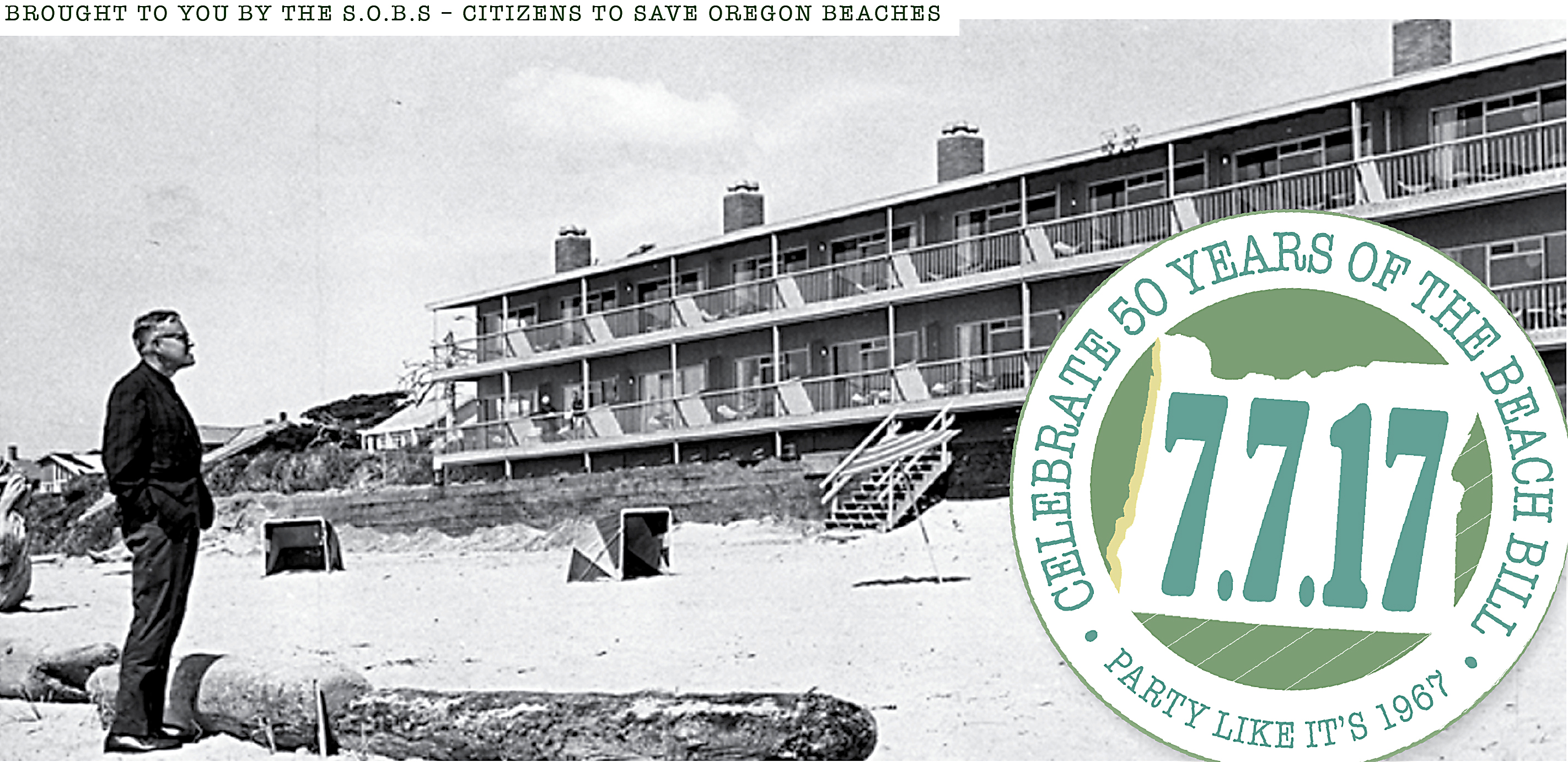
Today marks the 50th anniversary of Oregon’s famous Beach Bill. Undoubtedly, many of us will commemorate this visionary law by going to the beach and cutting loose or taking a nap in a driftwood fort. Either way doesn’t cost a cent.
Besides celebrating, we might also considering educating others about this important anniversary.
To that aim, I have a somewhat guerrilla teaching method to help.
The telephone number in this photograph is from a pay phone at Oswald State Park. This park is nothing less than holy ground in the creation of Oregon’s unprecedented legacy of publicly-owned beaches, one of the greatest spots to surf in the state, the site of the Matt Kramer Memorial, and a perfect place to observe how free beaches enrich our lives.
I would like everyone reading this who cares passionately about Oregon’s beaches to call this number. Someone will answer because the park is sure to be mobbed and the phone is located at the beginning of the trail to the beach and adjacent to the restrooms.
And what person wouldn’t pick up! Hearing a pay phone ring represents an utter novelty in American life and is sure to intrigue park visitors on their way to and from the beach.
Below is a suggested script to use to use with people who answer. Or you can just wing it on your own.
You: Hello, did you know today is the 50th anniversary of the Beach Bill, a law which forever ensured that Oregon’s ocean beaches would remain publicly owned and free to use?
(The person may or may not know about the Beach Bill.)
If the person answers “yes,” then ask: “How are you celebrating the anniversary today?”
If the person answers “no,” then say: “Well, now you know. Spread the good word.”
I encourage readers of this blog to share this post on social media. Get that phone in Oswald West State Park ringing off the hook!
(If you found this post enjoyable, thought provoking or enlightening, please consider supporting a writer at work by making a financial contribution to this blog or by purchasing an NSP book.)
Below is the text of Oregon’s landmark Beach Bill, signed into law by Governor Tom McCall on July 7, 1967. Read it. Read it to your dog. Live it. Love it. Raise a glass to it. Build a driftwood alter to honor it. Sing praise to it around a beach bonfire. Notice those words “forever” and “free” in the text. It is important to remember that 50 years ago, Oregonians, our Governor and our legislature came together to save our beaches from privatization and exploitation. What are we, our Governor and our legislature doing today that will have a similar monumental benefit?
Be It Enacted by the People of the State of Oregon:
Section 1. The Legislative Assembly hereby declares it is the public policy of the State of Oregon to forever preserve and maintain the sovereignty of the state heretofore existing over the seashore and ocean beaches of the state from the Columbia River on the North to the Oregon-California line on the South so that the public may have the free and uninterrupted use thereof.
Section 2. (1) The Legislative Assembly recognizes that over the years the public has made frequent and uninterrupted use of lands abutting, adjacent and contiguous to the public highways and state recreation areas and recognizes, further, that where such use has been sufficient to create easements in the public through dedication, prescription, grant or otherwise, that it is in the public interest to protect and preserve such public easements as a permanent part of Oregon’s recreational resources.
Oregon’s revolutionary Beach Bill, which celebrates its 50th anniversary this Friday, nearly died a quiet death in a House subcommittee until Oregonians began to realize what was at stake if their beaches fell into hands of private property owners. That realization transformed the Oregon political landscape overnight and came about, in large part, thanks to Matt Kramer’s reporting on the issue
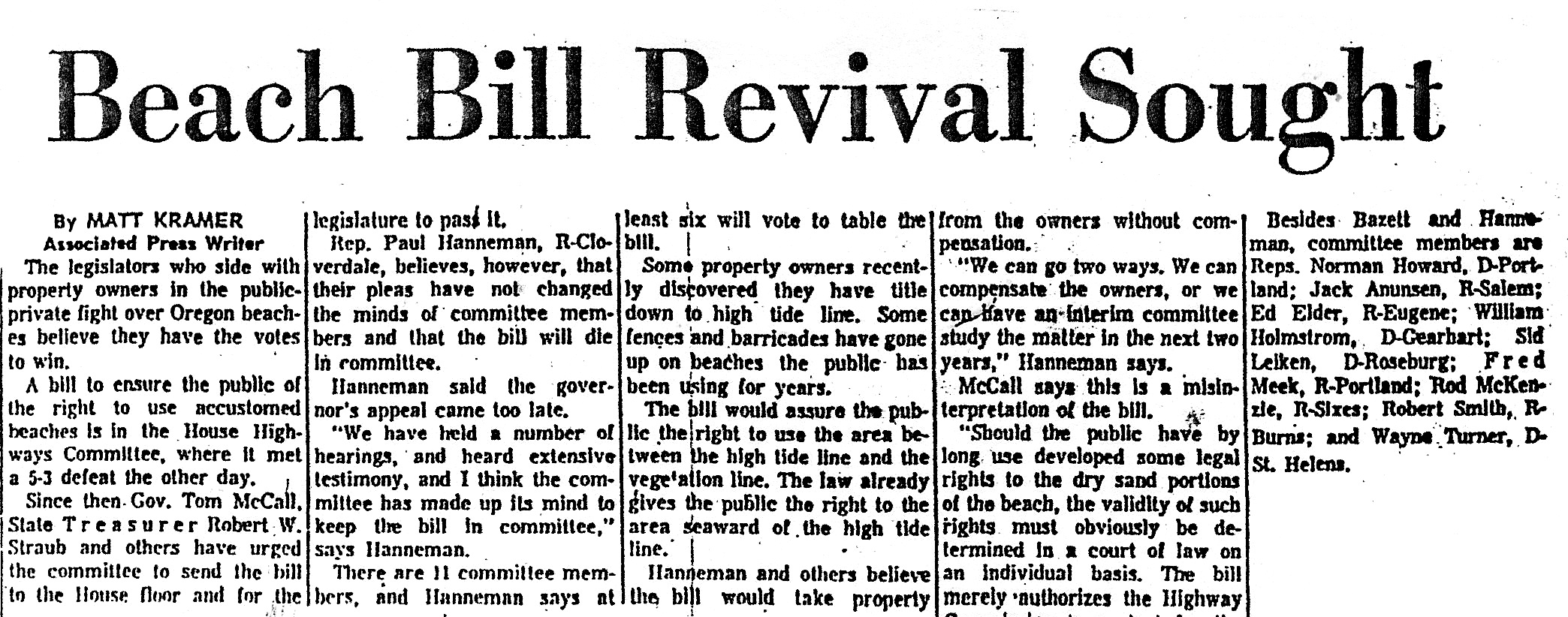
Matt Kramer was a veteran Associated Press reporter covering the Capitol beat in Salem during the battle to pass the Beach Bill. In the space of three months, he wrote approximately 50,000 words of hard news alerting and educating readers about the threat to the state’s beaches if the bill suffered defeat. One article in particular, headlined “Beach Bill Revival Sought,” appeared May 5, 1967 in newspapers across the state, and helped galvanize public support for the bill.
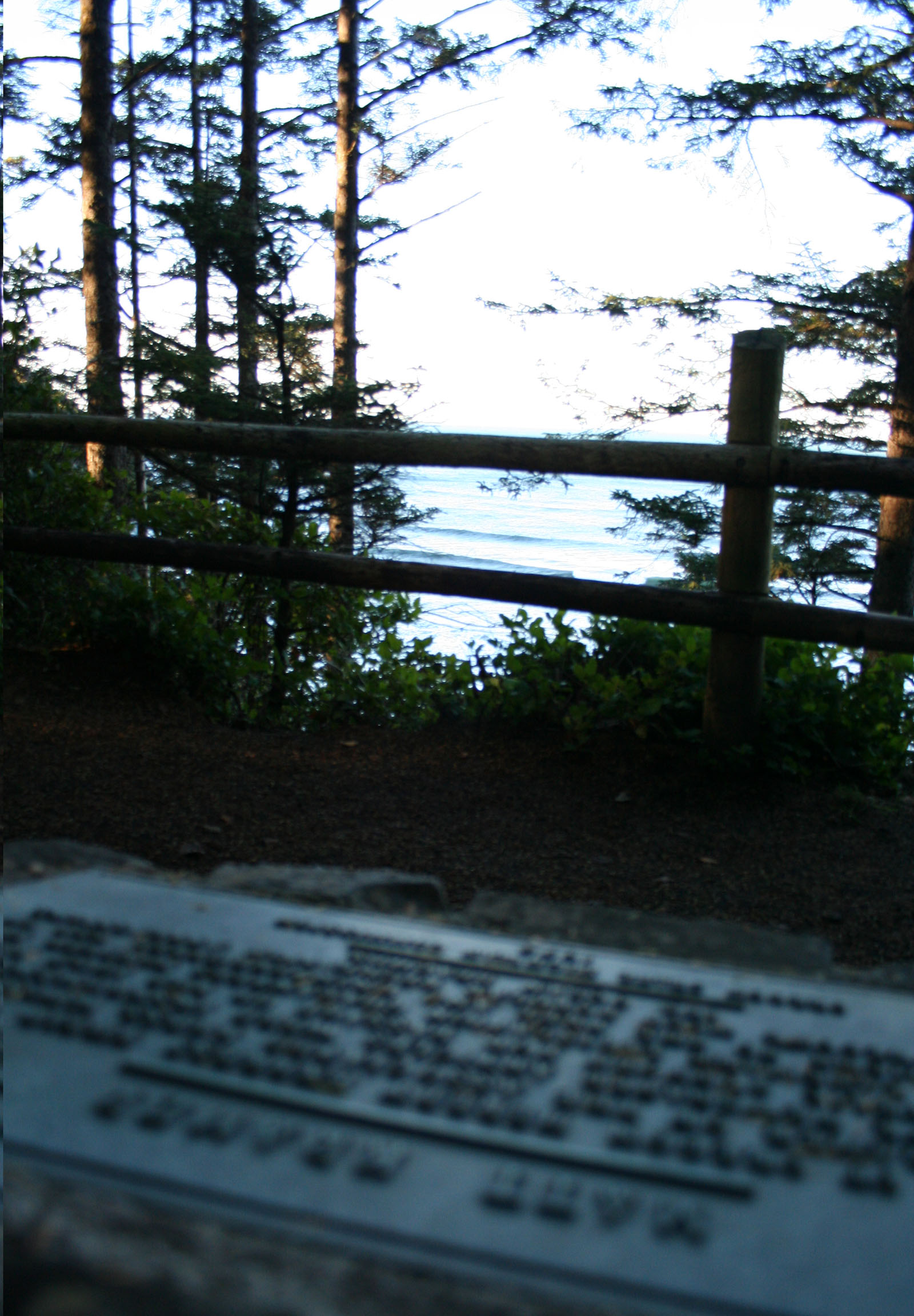
To honor Kramer’s journalism, the state erected a memorial plaque to him in 1972 in Oswald West State Park, overlooking Short Sands Beach.
The plaque reads: “The people of Oregon hereby express their gratitude to Matt Kramer of the Associated Press, whose clear and incisive newspaper articles were instrumental in gaining public support for passing of the 1967 Beach Bill.”
Anyone who loves Oregon’s ocean beaches should make a pilgrimage there and lay hands on the memorial. I visit all the time and always gain incredible inspiration from Kramer’s journalistic accomplishments. I guess you might say I consider him a hero.
Today, June 7, 2017 marks the 40th anniversary of the largest public gathering in Oregon history: the downtown Portland celebration one day after the Trail Blazers won the NBA championship that attracted 250,000 people.
I missed it all, by not skipping school in seventh grade at Gardiner Junior High in Oregon City. I’ve documented that sad story in my 2007 book, Red Hot and Rollin’, an anthology of essays, memoirs, primary sources, oral histories and photographs, that commemorated the championship.
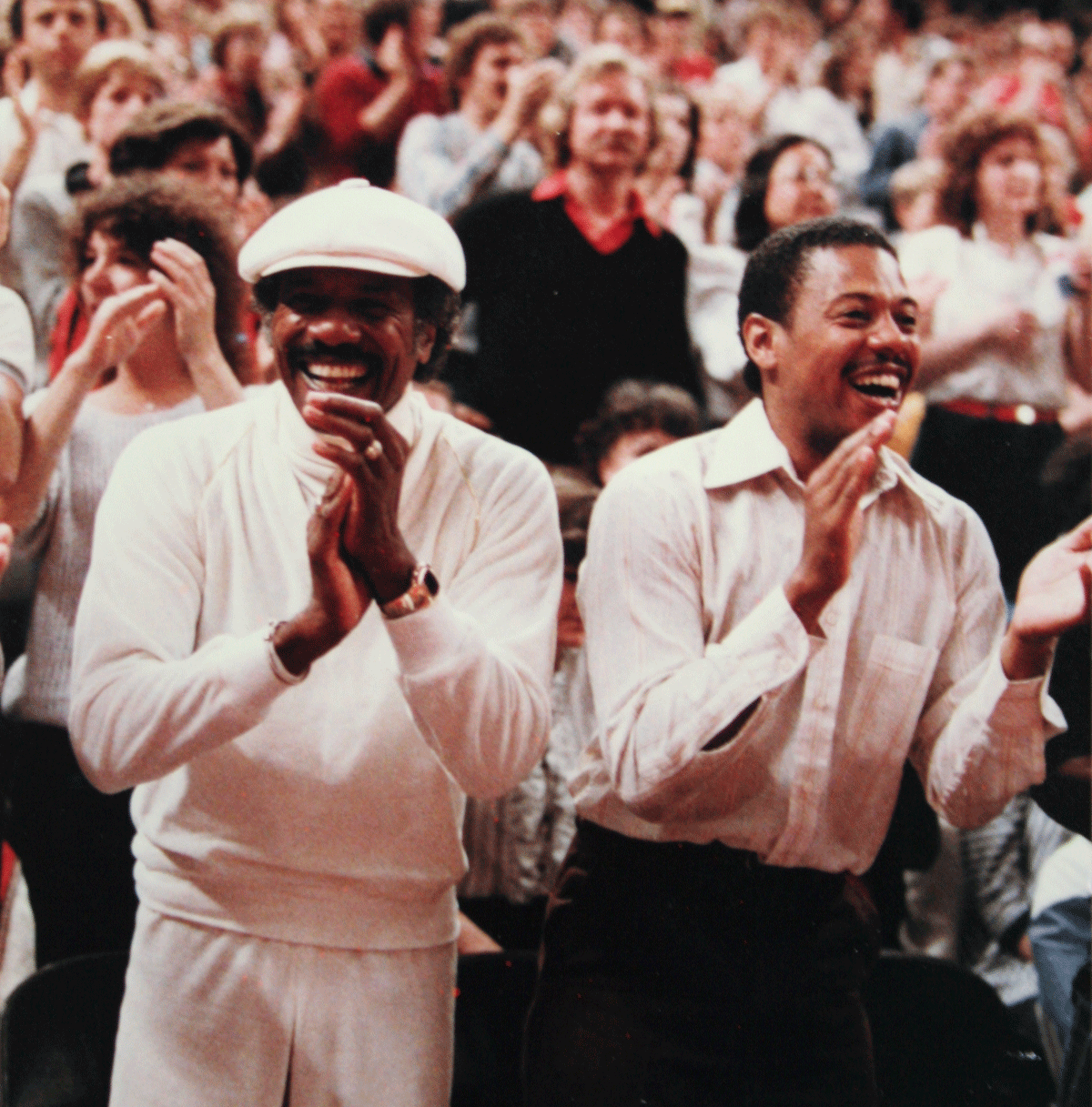
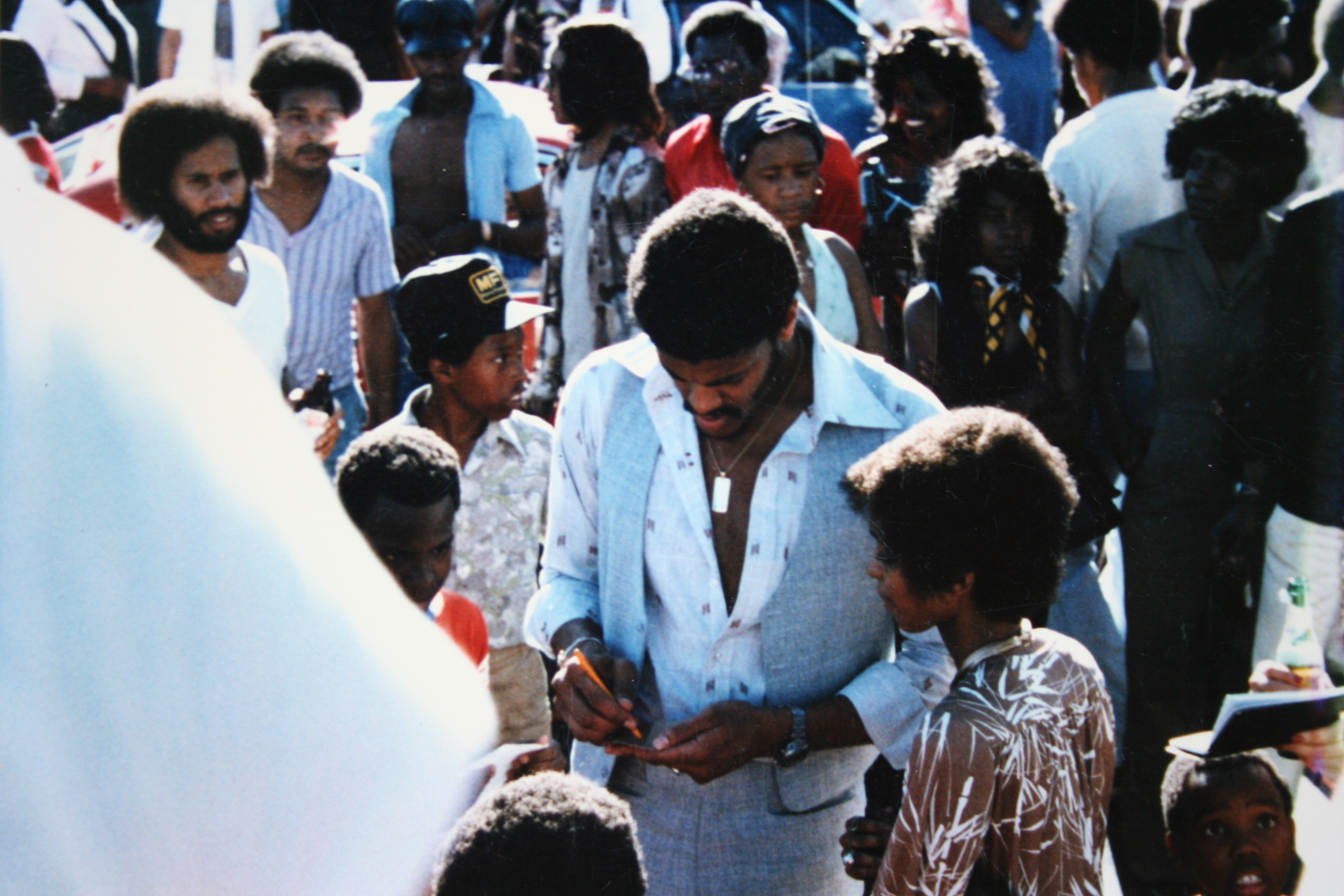
One of the oral histories was of Paul Knaals (pictured on left), a legendary figure in Portland’s African American community (still alive at 86 years old), who ran a nightclub called Geneva’s on Williams Ave. in 1977 and staged a legendary block party after the championship parade. His story of his incredible connection to the team from its founding in 1970 through that championship season was a highlight of the book and important, but overlooked part of African American history from that era. Paul was incredibly gracious with me during our interview at his hair salon, in the summer of 2006. I’ll never forget when he brought out the photo album, too. I put many of these mind blowing images in the book, but unfortunately, only in black and white. Well, in honor of that magical day 40 years ago, here is a reprint of Paul’s oral history, and some of photographs. Get down on this! Spread this post please. Even if you don’t like professional sports, read this and know this story isn’t really about sports.
Tickets
I bought my season tickets when drafted Walton in ’74 but before that I went to the games for free. When the team started in ’70, I went to (General Manager) Harry Glickman and says, ‘I run a club called Geneva’s and if you give me four tickets for every game I’ll bring some people to the game, every game. Get them interested. I could bring different people to the game and introduce them to the team.’ So he gave me four tickets. The seats were empty back then so why not?
In ‘72 he cut it to two. In ‘73 he gave me a press pass so I would sit down on the floor with the regular press guys, and bring my camera. Sometimes I wouldn’t even have film in the camera! In those days I would just sit with my legs crossed and pretend I was taking pictures. It didn’t matter. I just wanted to be at the game. Then they drafted Walton and that’s when I got my season tickets, in the second row, behind the basket. I knew getting into the game was going to be tougher.
Geneva’s
I purchased Geneva’s in 1968. My wife and I did. It was called Bess.’ We changed the name to Geneva’s. I named the club after my wife, Geneva. We went in and started our operation. We did some remodeling. Put down new carpet. It became popular, very popular, very fast. The Blazers were pretty popular with the black community in those days because the guys came around to the club. All the fellas would come around and people got to know them and that made it okay. Tanqueray really took off at this time. Tanqueary with grapfruit juice or Tanqueray straight. I went through tons and tons of the stuff that year. It was always Tanquerary. I don’t know if people just liked to say it, Tanquerary, sounds nice, don’t it?
We had another night club called the Cotton Club. And I had another bar named Paul’s. So I had three bars on this side of town with three distinctly different clienteles. The swingers went to Cotton Club. The working man went to Paul’s. And the uppity ups came to Geneva’s. I had to have a little dress code in Geneva’s.
Bill Walton
The dress code went well until Bill Walton started coming in. He was a hippie and all of his people were hippies and they would come in dressed any old way. He started coming in the second year he was in town, the year he was hurt. That’s where he hung out, at Geneva’s. I had seen Bill at practice, been watching him after he got hurt, and I said, ‘Bill, I got a bar called Geneva’s and nobody ever heard of a bone spur. You come in there, and it will be a situation where no one will even talk about basketball. They just want to talk with you.’ Two weeks later, I was back in the office and my barmaid called. Ruby says, ‘Mr. Knaals, there’s a reeeeeeal tall red headed white guy out here…’ I knew it was Bill and I went up to him and said, ‘Hey Bill. how you doing? Welcome.’ He had put on some weight, probably 240, because he wasn’t playing. So I introduced myself again and we talked a bit. And then later that night he came back in with 8 or 10of his people, hippie people, with all their backpacks. It was they who started all this backpack stuff. Everyone got one now.
So Bill came back and everyone says, ‘How come we got to dress when they don’t have to dress?’ So I says, ‘I guess you don’t have to dress no more because this is Bill Walton’s spot now. He ended the dress code! Bill drank Budweiser. That’s why he got that gut. No hard alcohol at all. He used to ride his bicycle over to the club in the day time. The black community loved Walton. They never gave it to him about not playing like the news media and white people did.
Geneva’s Soul Express
Well, the story of the Geneva’s Soul Express is, there was a bar on 14th called the Pantry and the owner had a bus, a little one like what carries senior citizens around today, and he was taking people to the games. I called him and asked him how the bus thing works. He says, ‘It’s the greatest thing in the world. Everybody comes in the bar, has dinner first, then rides to the game, then comes back, drinks.’ So I was watching this old bus on the lot at Coast Janitorial Service and went in and says, ‘Mr. Scott, you don’t really use that bus, how much you want for it?’
‘$1500.’
‘Okay, I am going to go get the money and you have the title ready for me when I get back.’
So I got together $1000 and I came back and says, ‘Mr. Scott, I got your money.’
‘Okay, Paul Knaals, count it out!’
So I count out ten $100 bills. He says, ‘Where’s the rest?’
‘Mr. Scott, you haven’t used that bus in two years. It’s just sitting on your lot. I got the money right here.’
‘Paul Knaals, you are too much! Okay.’
I had it painted up, and put the name Geneva’s Soul Express on it. I drove it every night of a game. I left work early to go home and change, then I’d pull up to the bar in the bus and call out, ‘Soul train rollin!’ and everybody would get up and go out there. The bus carried 28 people and was always full. I would pull the bus right up in front of the Coliseum, then park. There were only a couple of buses at first doing this, then four, then five, then more. Then a guy out who owned a club out on 82nd called up and asked how it all worked. So I told him. He got a bus, painted it the same color as mine and called it the Harvest House Express. Then one night, we got on our bus after the game, and there was this white guy sitting there, backing the back, and I took off, and we got half way to Geneva’s and he says, ‘You know what driver? I think I got on the wrong bus!’ I says, ‘Too late now brother, we not stopping til we get to Geneva’s! So he came in. He had fun, man did we have fun in Geneva’s that night. And I finally says to him, ‘You need a ride? He says, ‘Yeah.” So I got my car and gave him a ride home out near 82nd. After that, every now and then, he would just come to Geneva’s and park his car and he’d ride down with us and ride back.
The Playoffs
I traveled with my wife and some other people to the away playoff games. At Denver, when David Thompson missed those two free throws to send it into overtime, we were beating on the air conditioning ducts because we were way up top and you could hear the ducts, that pounding sheet metal sound. It was all you could hear.
Once we beat LA four in a row, I knew we were rolling.
When they played the championship series, I got a call and they said we’re going to Philadelphia for the games, so we signed up to go. And we got out of Portland on Thursday morning, the game was Thursday night. We lost that game and then the next one on Sunday. And everyone there was saying, ‘You guys are from Portland right? Answer me this: Why you fly all the way here, all that way, and you lose?’ So I started making some bets, in a bar we were at. I says, ‘Hey we’re going to win the championship. I can guarantee you that!’ So I start making drink bets.
When we flew back to Portland after the second game, the Philadelphia team was on the same plane. Dr. J, Darryl Dawkins, and all the guys, and when we got in that night, Dawkins came into the club. He was only about 19 at the time but I wasn’t going to kick him out. So I says, ‘Darryl you can’t drink.’ No I know he’s going to drink but I got to tell him anyway. So I had a little guy who was my doorman, and he was about 5’ 7,” kind of stocky, and I says, ‘Tim, I want him (Dawkins) out of the bar. He’s too young to be in here. I want him out of the bar.’
‘Which one?’
‘That guy in the corner.’
So he goes over to look at him and he comes back and says, ‘Mr. Knaals, you mean that big guy over there in the corner?’
‘Yeah, I want him out of here.’
‘I’m sorry, I’ll just have to quit my job because I can’t put him out.’
‘That’s okay Tim, that’s Darryl Dawkins and he plays for Philadelphia. I was joking.’
Dawkins tipped someone $20 that night, which was like $500. A lot of Sixers came in during the series. Even Dr. J.
The Party
The night before game six, I knew we were going to win, so I’m thinking, ‘We are going to need some barricades because I am going to barricade the street (Williams Ave)’ So I went down to seventh and Knott and they were doing some construction, and I took two barricades that weren’t going to be dangerous to anyone if missing from the construction site. I came down with the truck and loaded them up.
Everybody knew that if we won, there was going to be a party at Geneva’s. After the game, I came to the bar and the street started getting full and I put the barricades up. That was about three o’ clock? I did it myself. About 3:30 or 4, Mayor Neil Goldschmidt came by and he couldn’t get through. He was coming up to the club. And I went down and says, ‘Neil, how out doing? C’mon through.’
‘Paul, what are you doing with these barricades up here?’
‘Neil, you don’t want cars going through here. Look at all these people on the street!’
So he gets on a radio and called down and told the police to get some more barricades out here. He didn’t want anyone getting killed.
There was a party planned downtown but nobody went there. They came to my place. Then the media found out and all the television stations showed up. We opened up the street to let them come up and they got to partying and then asked us to whoop it up whenever they started filming. Everybody was screaming.
The night before I had a guy, he called himself Mr. Sweet Meats, set up for food. I says, ‘If we win the championship tomorrow, if you set up and we don’t win, I’ll pay you $25, and if we win, you’re on your own.’
And we won and people were out on the street buying everything. I had Mr. Sweet Meats selling hamburgers, hot dogs and sausages. We had another stand with popcorn. One woman had cooked a roast for Sunday dinner but she just came down and cut the roast up with bread, mayonnaise and sold sandwiches right there on the street.
There was a church just adjacent to Geneva’s on the next block, so when church let out, they just walked right over and started partying. A friend of mine, Lloyd Allen, was into music. And he had his friend bring a RV down, and they set up some music on top of it. People were out in the street dancing the Blazermania, you know, when you put your hands over your head and spin them like Walton used to do on the court. I had a couple of go go girls too, doing the Blazermania all over. They were Miss Rip City and Miss Blazermania.
Corky Calhoun showed up first. Then Luke came. Lloyd Neal came. Later that evening, Lionel Hollins. Then Johnny Davis. Herm Gilliam. Harry Glickman came with his wife and daughter, who was six years old. Coach McKinney and his wife came.
There was more action in the street but it was happening in the bar too. We couldn’t serve fast enough. I was behind the bar and couldn’t keep up with the drinks. And we were able to sell every beer that we had cold or warm. We was giving them a hot beer with a glass of ice. It was the only time my wife ever worked at the bar in all the years we owned it.
We had no trouble at all. All I was doing was every once and awhile I would take the money in a sack and put it into the safe. I took it out about six or seven times. We made about $6500 that day. What a take. Drinks were 75 cents or a dollar. We were rolling. I mean we were selling the beers distributors had given us that nobody wanted, mostly ales, and we got rid of every old bottle of ale from the basement. Everything was gone. What a day.
We had a couple of guys park their motorcycles on Williams Ave. and they just walked on through. The Gypsy Jokers were right down the street, that horrendous gang back then that traveled around. I never did find out if these guys were Jokers but they looked like it. They came in and started jamming just like everybody else. The title put Portland on the map. No one had ever heard of us before. The party here went into the early morning.
(I wrote this feature article for a coastal magazine last year, but it never ran. The topic is one of my favorites, Conde McCullough. At long last, there is a proper tribute to his genius.)
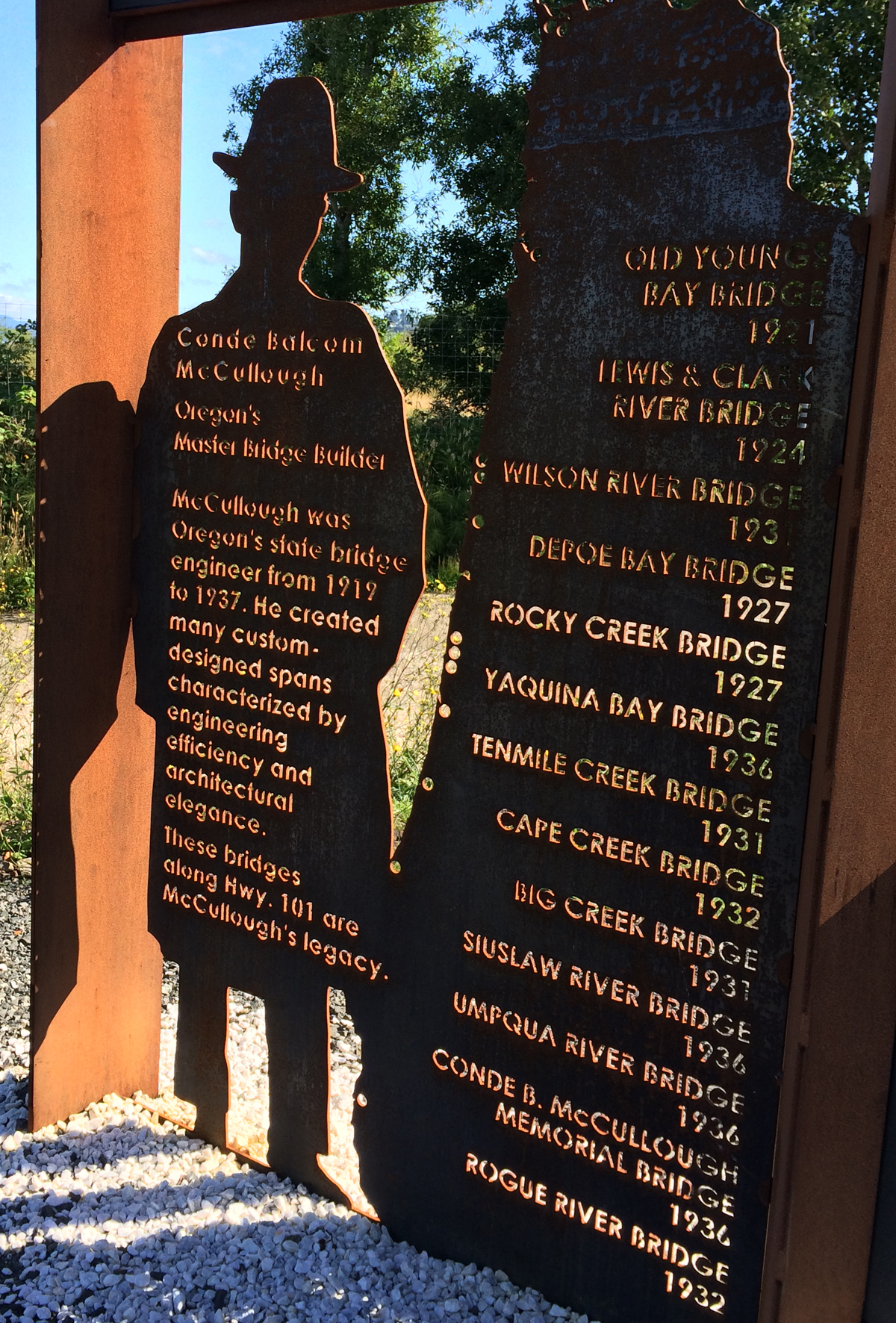
On the west end of the Lewis and Clark River Bridge, on the outskirts of Astoria, stands the greatest outdoor display of interpretative history I have ever seen in Oregon. It is a sterling monument of collaboration between a state agency, a genius bridge builder, an artist, the private sector, schoolchildren, poetry and an ideal that bridges can be beautiful and not mere conveyance—and that we should also acknowledge their excellent makers.
Last May, the Oregon Department of Transportation dedicated this interpretative display on the history of the Old Youngs Bay and Lewis and Clark River Bridges. In attendance were the partners that created the remarkable exhibit, including its project designer, Suenn Ho from Portland.
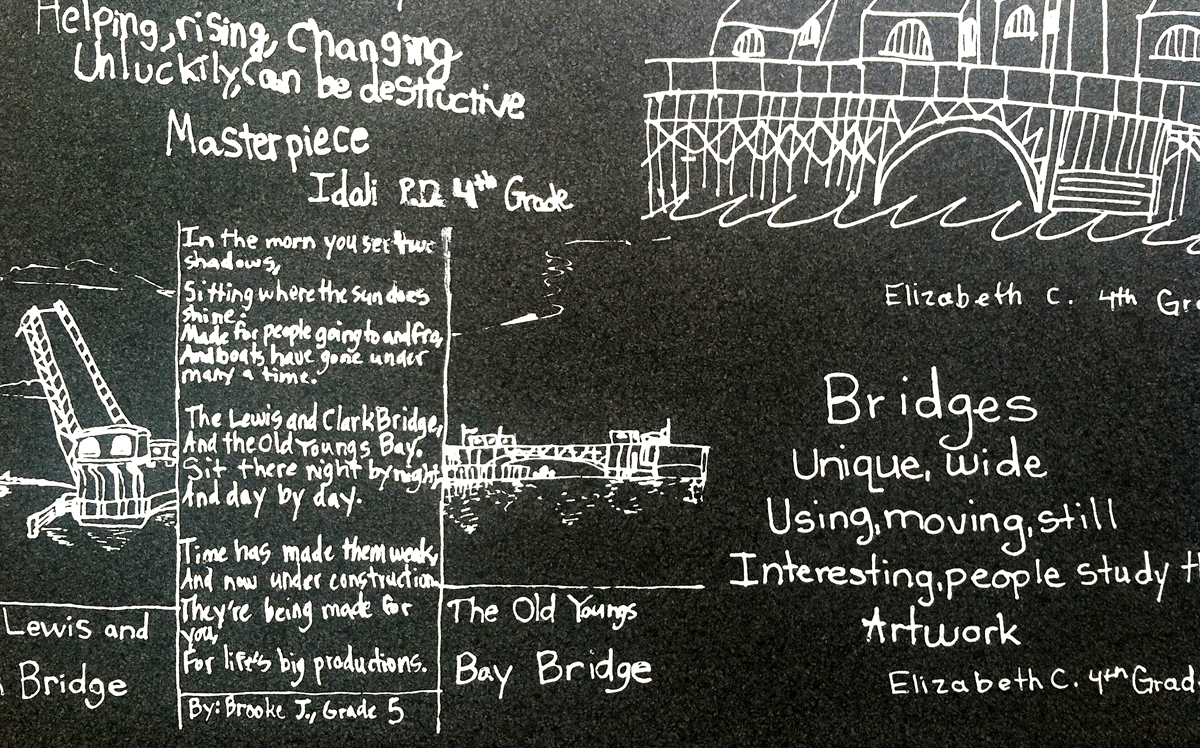
The erection of the display coincided with the repair of the bridges, built in 1921 and 1924, and designed by Oregon’s master bridge builder, Conde McCullough. The display features purposely rusted panels, hand-drawn architectural drawings, a gear shaft, old photographs, salvaged materials from the repairs, a timeline of McCullough’s career, and a brilliant cutout silhouette of the master himself wearing a fedora!
My favorite part of the exhibit is the handwritten inclusion of over 60 whimsical bridge poems and enchanting illustrations produced by Lewis and Clark Elementary students that artisans sandblasted into granite. One young bard named Vanessa wrote: Bridges, water, wow, wow wow / can’t stand their sight / It’s so beautiful / I love the sights, wow, wow wow.
Wow is the perfect word to describe McCullough’s bridges.
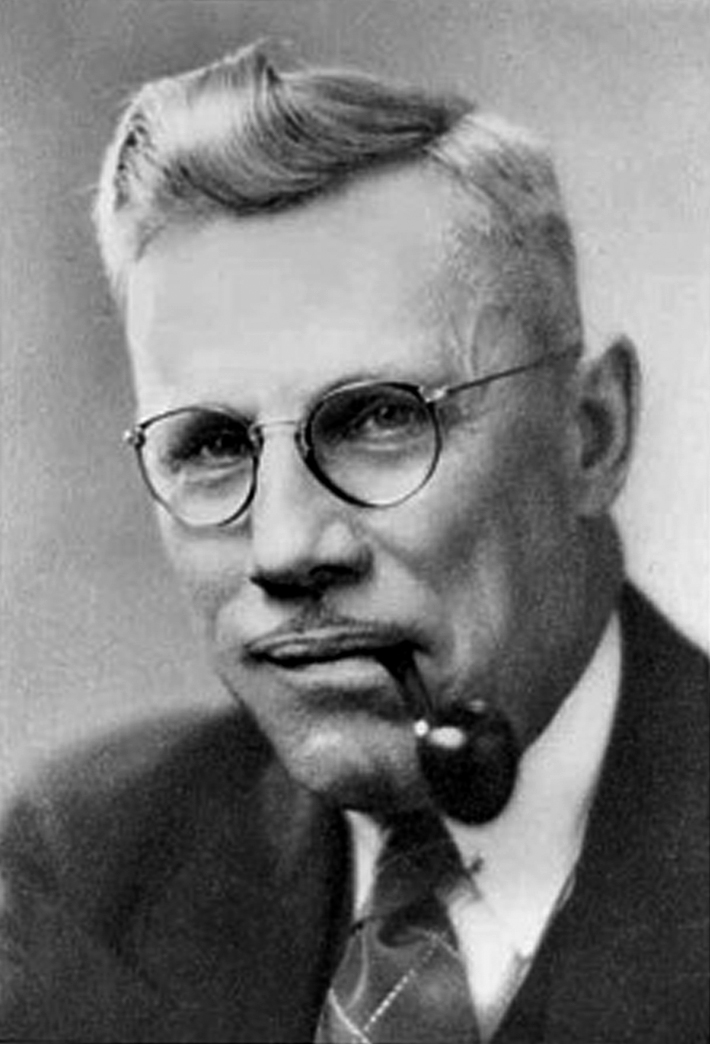
Conde McCullough served as Oregon’s state bridge engineer for 18 years (1919-37) and is chiefly remembered for his elegant bridges along U.S. Highway 101 on the central coast that opened in the 1930s during the height of the Depression. McCullough’s bridges seized the public’s imagination with their distinctive and wonderfully eccentric art deco flourishes, such as stylish, often soaring arches of green steel, beveled columns, concrete obelisks, ornate railings and pedestrian plazas. They have since become nationally renowned landmarks of the Oregon Coast.
The Old Youngs Bay and Lewis Clark Bridges contain some characteristics that later comprised McCullough’s distinct style. The former includes beveled obelisks that mark the approaches from both ends, and atop each obelisk rests an odd little decorative lantern.
You get the feeling that McCullough was just warming up with Astoria and then later found his full measure as a designer with his other coastal bridges.
Ho’s project has masterfully recreated the kind of old school workmanship that distinguishes McCullough’s finest bridges. “I wanted something more than just a plaque,” she said. “This display was much more than just information about two bridges. I wanted to honor McCullough and the lost craftsmanship from that era, what was possible back then.”
I remember feeling exactly the same about McCullough when I discovered his bridges and learned something about the man. Perhaps that’s why Ho’s display struck such a resounding chord in me.
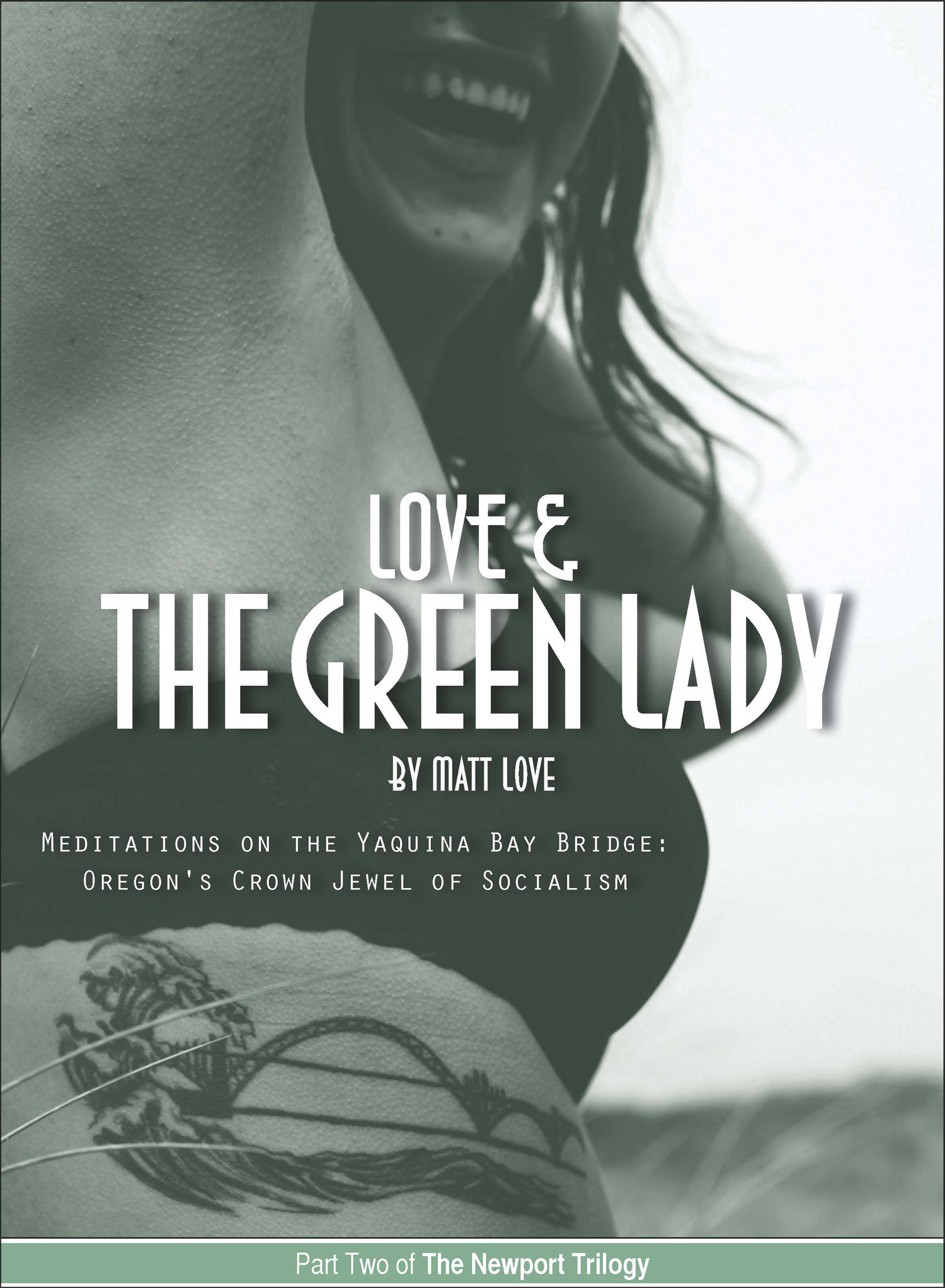
In 2011, I published a quirky book called Love and the Green Lady, about my love affair with one of McCullough’s New Deal-era gems, the Yaquina Bay Bridge in Newport. I lived in Newport at the time and crossing that bridge every morning revolutionized my aesthetic and helped me understand that McCullough wanted more from a bridge than just civil engineering; he wanted art, beauty and to impart the human touch into his constructions.
The new interpretative display gets that exactly right in a method that astonished me. It’s easily the most imaginative explanation of McCullough’s work and ethos I’ve ever witnessed and I’ve seen them all. It truly deserves a visit and hands on inspection.
Toward the end of his career, McCullough wrote to a friend: “From the dawn of civilization up to the present, engineers have been busily engaged in ruining this fair earth, and taking all the romance out of it—there is no romance, nor poetry left in the world. If we only knew the truth, the decline of ancient Babylon and the complete dissolution of Sodom and Gomorrah were probably dated from the time they formed the first engineering society. However, I don’t know that there is anything we can do about it.”
McCullough did do something about it. He built beautiful bridges along the Oregon Coast that we still use and admire today. His creative vision inspired others to follow him and one path led directly to the project near the Lewis and Clark Bridge, a display, I might add, that also had the good sense to declare in print: “Thank you Conde McCullough for your inspiration.”
When was the last time you read something like that on a historical exhibit?
(If you found this post enjoyable, thought provoking or enlightening, please consider supporting a writer at work by making a financial contribution to this blog or by purchasing an NSP book.)
Several years ago I started promoting the idea of a grand celebration of the 50th anniversary of Oregon’s landmark Beach Bill, which protected the dry sand areas of our public beaches from private encroachment and exploitation. In fact, I published dozens of columns and a book, The Great Birthright, connecting to that idea. I also delivered 30 public presentations around the state urging citizens to mark the date and get ready to party. I started a promotional campaign via my web site and my print designer produced a hot logo and buttons and posters that I gave away everywhere I went. This was all done on my own because I wanted to honor Oregon’s legacy of publicly-owned beaches and educate people, particularly newcomers, how special we have it here. I consider free public beaches and guaranteed access to them as cornerstones of this state’s unique greatness.
Fifty years ago, politicians from both parties and an army of Oregonians saved the beaches for me to come along later and enjoy as a kid and adult. I’ve probably written a half million words on this subject and will probably write another half million before I die.
The exact date of Governor Tom McCall signing the Beach Bill into law was July 7, 1967 and thus the anniversary is coming up soon. As many of you know, I was going to take a prominent leadership role in this celebration, but of course, that’s over now and all I can do is keep sharing my thoughts about our beaches on this blog. I hope readers will share my forthcoming posts about the impending celebration on social media and get the word moving. I am also happy to donate copies of The Great Birthright to any book club or conservation group. Just contact me through my web site. I want this book out there!
A year or so ago, a coastal State Representative asked me to draft a resolution commemorating the 50th anniversary of the Beach Bill. I was honored to do so and wrote one up right away. I sent it the State Rep and never heard from this official again. I have no idea where the draft went or if such resolution has been proposed or adopted.
Below is that draft. Perhaps it helped out.
Whereas in 1967 the Oregon Legislature passed and Governor Tom McCall signed into law, HB 1601, the Beach Bill.
Whereas the Beach Bill statute read, in part: “to forever preserve and maintain the sovereignty over the seashore and ocean beaches…so that the public may have the free and uninterrupted use thereof.”
Whereas the Beach Bill was passed by a Republican House and Democratic Senate and approved by a Republican Governor.
Whereas there was a great public outcry when it learned in 1967 that the sacrosanct great notion of recreating in the dry sands areas of the ocean beaches was imperiled, and that this outcry helped the Beach Bill become law.
Whereas the Beach Bill strengthened the state’s unique legacy of publicly-owned beaches first established in 1913 by Governor Oswald West’s law that declared the wet sand areas of the ocean beaches a public highway.
Whereas Governor West declared Oregon’s ocean beaches the state’s “great birthright.”
Whereas Oregonians and visitors have enjoyed the free and uninterrupted use of the state’s ocean beaches for generations to build driftwood forts, sandcastles, bonfires, fly kites, run, walk, swim, fish and surf, among other activities.
Whereas Oregonians celebrate the 50th anniversary of the Beach Bill’s passage on July 7, 2017 and remember to always protect the “great birthright” for now and future generations.
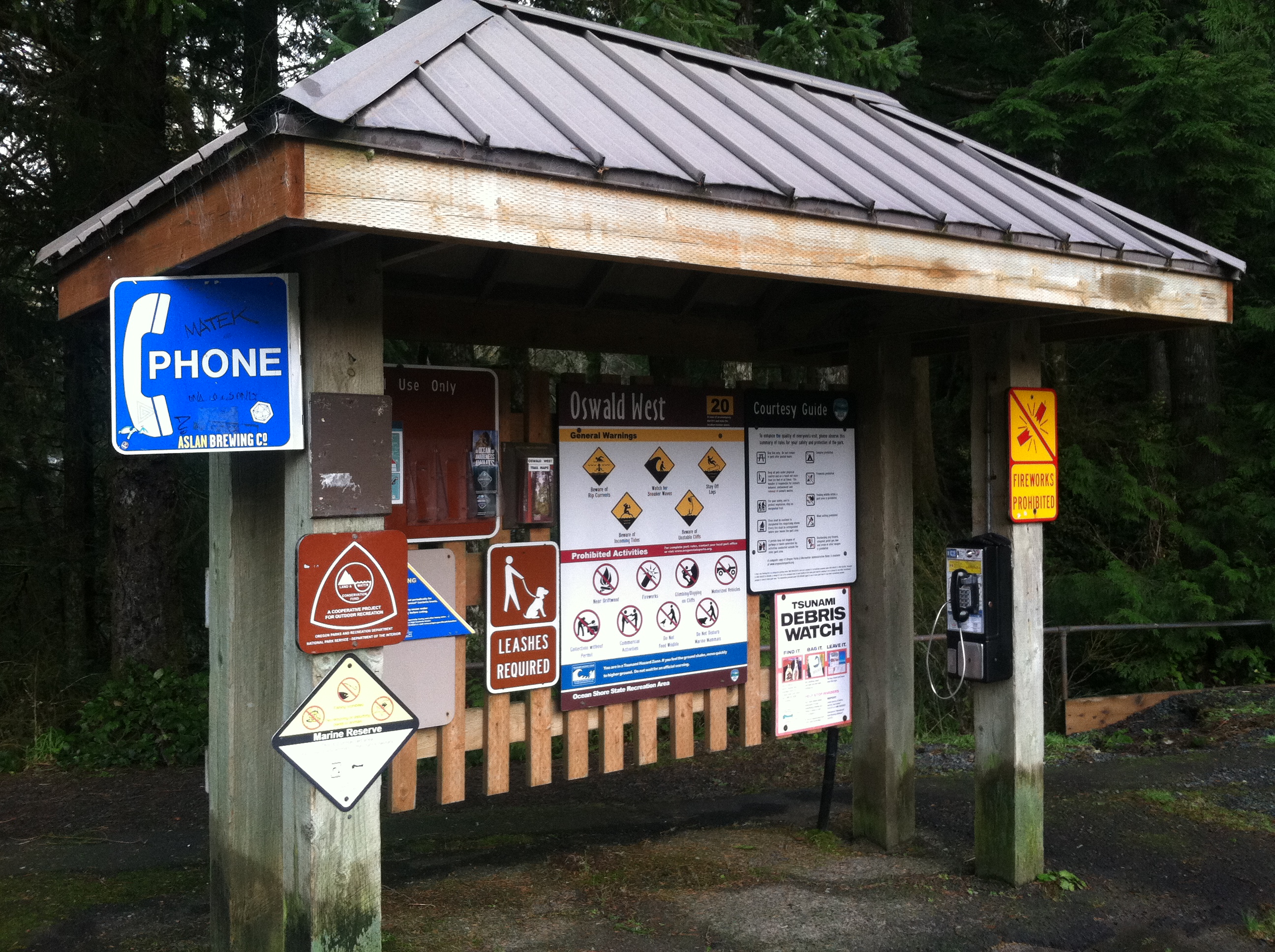 The telephone number in this photograph is from a pay phone at Oswald State Park. This park is nothing less than holy ground in the creation of Oregon’s unprecedented legacy of publicly-owned beaches, one of the greatest spots to surf in the state, the site of the Matt Kramer Memorial, and a perfect place to observe how free beaches enrich our lives.