Nestucca Spit Press Meditations Blog
A Blog by Matt Love
  • Home
  • About
  • NSP Categories
    • NSP Meditations
    • Lost and Found
    • Writing
    • Driftwood Forts
    • Oregon Beaches
    • Of Walking in Rain
    • Oregon Coast_History
    • NSP Correspondents
    • Oregon Tavern Age
    • Astoria
    • Fiction
    • Poetry
  • Back to NSP
  • Contact
RSS
June 1, 2017

The Chill Tank or My Ten Days on the Boat in Jail

Matt Love Astoria, NSP Meditations Astoria, Clatsop County Jail, county jail, mass incarceration, matt love, writing

As part of my sentence, I served ten days in the Clatsop County Jail. I was assigned to POD 30, or the “Chill Tank,” as it was unofficially called by its inhabitants, because the unit rarely presented serious problems to the guards.

When I walked into the Chill Tank, which had four two-man cells and measured about a thousand square feet, I was immediately overwhelmed by the impression of walking into Ken Kesey’s One Flew Over The Cuckoo’s Nest—the novel and cinematic version of it. Have you ever walked into a novel? Living inside one as it unfolds in liquid time? I have.

During my incarceration, I met 11 different men. Because of overcrowding, I did not have a cell with a bunk mate. Rather, I slept on the floor in a far corner of the common area, behind a steel picnic table, a passenger on a “boat” (the official name for it), a plastic container filled with a mattress that resembled a  cushion from a piece of patio furniture left outside for a decade. I had a small plastic tote for my possessions, which amounted to toiletries, books, writing things and materials to make peanut butter and jelly sandwiches—practically my sole source of nutrition after giving up eating cheese sandwiches because they were undoubtedly the worst cheese sandwiches in all of mass incarceration nation. They easily violated the Eighth Amendment.

This living on the floor had its distinct advantages, though. From this splayed vantage point, I could see all the eyes of the visiting guards, nurses and other assorted jail personnel but they couldn’t see mine. Let me assure you, you can learn a lot about humanity that way.

There was no equivalent of a Nurse Ratched in the Chill Tank, although there was a medication time reminiscent of the novel and movie where the men lined up for pills that a nurse dispensed. She was actually quite friendly and only dispensed aspirin, antacids and vitamins. A couple of female guards showed the inmates tiny glimmers of humanity, like photocopying illustrations or rustling up a book. One glimmer was even extended toward me and I will never forget its simple grace. We looked each other in the eyes and I thanked her with a nod.

I certainly wasn’t the Chief in the Chill Tank (although I did push a broom around). I was openly writing all the time, 40,000 words with golf pencils on yellow legal paper, a book really, that perhaps I will be the only one to ever read. Just like Notes from the Underground!

During my incarceration, I traded my meat and chicken for paper and pencils. I read the Wall Street Journal daily for the first time. I read nine books, including a Western and something by James Joyce. I watched an episode of Baywatch with other sexual offenders in a library with 89 Bibles and one Koran. I shot baskets at 10:00 p.m. on the roof of the jail while it rained. I played chess. I witnessed private corporations exploit impoverished men and my family. I drank Billy Brew instant coffee made from hot shower water. I taught an informal writing workshop. I was tested for TB. I was told I needed to use deodorant. I talked to my mother on an ancient analog phone. I heard classic rock and advertisements on XM radio and felt rock die within me. I saw men cry. I saw men begging for metal health services. I learned the definition of contraband was “unintended purpose.” I was warned to expect “consistent inconsistencies.” I heard repeated exaltation for President Trump. I never once saw natural light. I was never once told what I was supposed to get out of serving ten days in jail. I never once observed a man talking to his court-appointed attorney although collectively, the men tried, by my count, 34 times.

I met men who had spent seven, nine and ten months and almost two years in jail and their cases hadn’t gone to trial, nor did they know when they would go to trial. They walked from wall to wall 135 times in the Chill Tank and that was exactly a mile. Someone did the math.

I met a man who told me rock and roll stories of his time running a music venue in Boise back in the day. Boston once played Boise and they rocked. He couldn’t stand one of the Eagles. I forget which one.

I met a man who: was a sex offender because of something he did while fishing; walked in the early morning reading the New Testament; served ten days in solitary confinement for hoarding books; had 45 previous incarcerations inside the Clatsop County Jail; wanted to model his life after Arnold Schwarzenegger, the Pumping Iron-era Arnold.

We had our own Randle McMurphy and Billy Bibbit characters. The former claimed he was a direct descendant of a famous artist who had painted the drafting of the Declaration of Independence with mythological strokes. He was released on a Friday night around midnight and was back with us two days later, arrested on new charges. He told me of his walking in rain, to see his old lady in Seaside, across the Bay Bridge, and throwing most of his possessions into the black water as he renounced God forever. He was perhaps the funniest man I have ever met. The latter looked like Billy Bibbit and walked as I presumed Billy would walk. Our Billy, however, wasn’t a self-commit. Was I? That existential thought had occurred to me.

I never have been shown such kindness by strangers in my life. They showed me the ropes and how to make jailhouse taffy and salsa. They wrote for me and drew me illustrations (like the one accompanying this blog. That’s me on the boat, or rather my legs, in the lower right hand corner. This illustration is a perfect rendering of the Chill Tank).

There is more, much more, 40,000 words more to the Chill Tank story. But these thousand will suffice for now.

(If you found this post enjoyable, thought provoking or enlightening, please consider supporting a writer at work by making a financial contribution to this blog or by purchasing an NSP book.)
May 31, 2017

A Conde McCullough Tribute

Matt Love NSP Meditations, Oregon Coast_History Astoria, Conde McCullough, Highway 101, matt love, oregon, Oregon bridges, Oregon Coast, oregon history, oregon travel, secret oregon coast

(I wrote this feature article for a coastal magazine last year, but it never ran. The topic is one of my favorites, Conde McCullough. At long last, there is a proper tribute to his genius.)

On the west end of the Lewis and Clark River Bridge, on the outskirts of Astoria, stands the greatest outdoor display of interpretative history I have ever seen in Oregon. It is a sterling monument of collaboration between a state agency, a genius bridge builder, an artist, the private sector, schoolchildren, poetry and an ideal that bridges can be beautiful and not mere conveyance—and that we should also acknowledge their excellent makers.

Last May, the Oregon Department of Transportation dedicated this interpretative display on the history of the Old Youngs Bay and Lewis and Clark River Bridges. In attendance were the partners that created the remarkable exhibit, including its project designer, Suenn Ho from Portland.

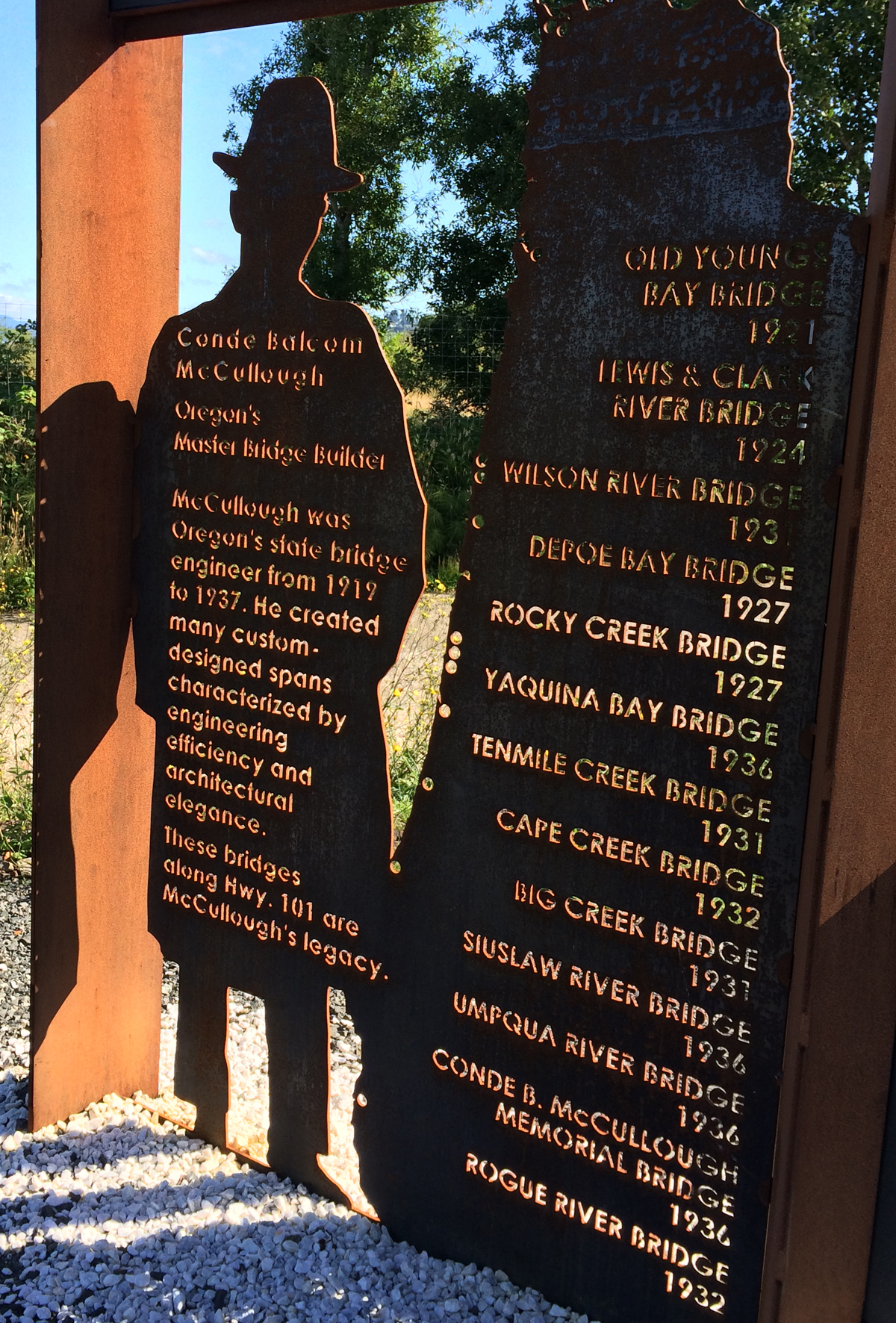
The erection of the display coincided with the repair of the bridges, built in 1921 and 1924, and designed by Oregon’s master bridge builder, Conde McCullough. The display features purposely rusted panels, hand-drawn architectural drawings, a gear shaft, old photographs, salvaged materials from the repairs, a timeline of McCullough’s career, and a brilliant cutout silhouette of the master himself wearing a fedora!

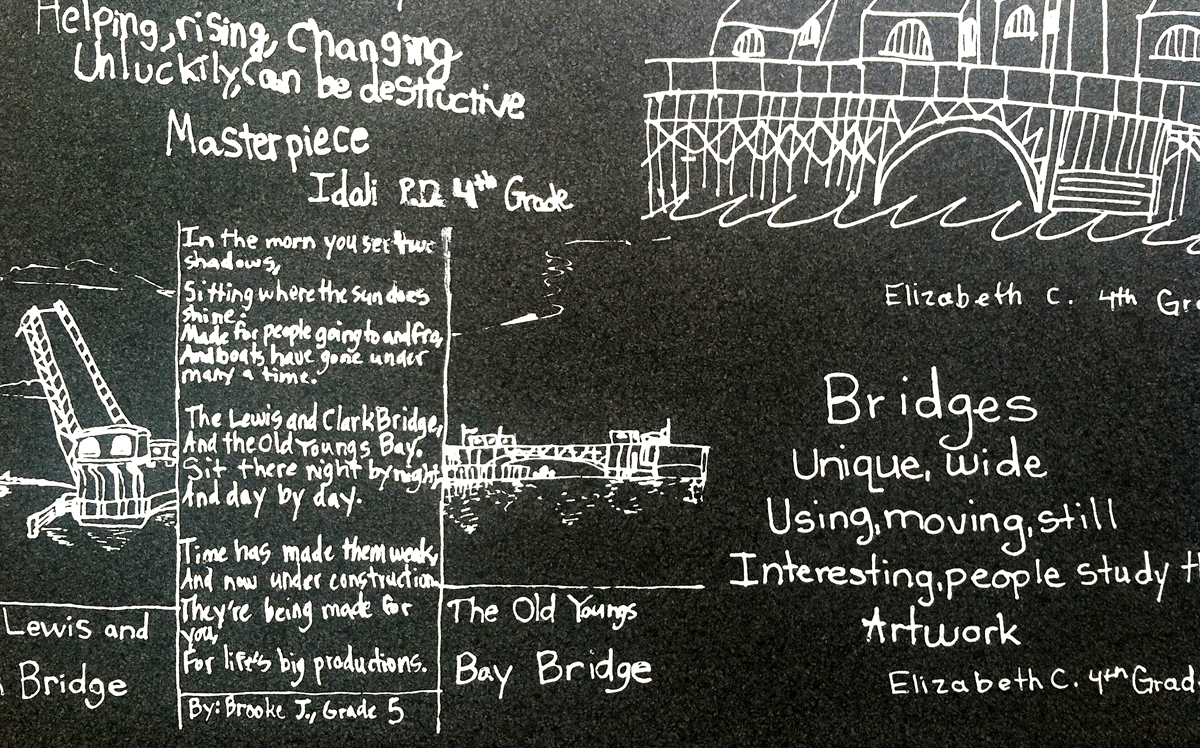
My favorite part of the exhibit is the handwritten inclusion of over 60 whimsical bridge poems and enchanting illustrations produced by Lewis and Clark Elementary students that artisans sandblasted into granite. One young bard named Vanessa wrote: Bridges, water, wow, wow wow / can’t stand their sight / It’s so beautiful / I love the sights, wow, wow wow.

Wow is the perfect word to describe McCullough’s bridges.

Conde McCullough served as Oregon’s state bridge engineer for 18 years (1919-37) and is chiefly remembered for his elegant bridges along U.S. Highway 101 on the central coast that opened in the 1930s during the height of the Depression. McCullough’s bridges seized the public’s imagination with their distinctive and wonderfully eccentric art deco flourishes, such as stylish, often soaring arches of green steel, beveled columns, concrete obelisks, ornate railings and pedestrian plazas. They have since become nationally renowned landmarks of the Oregon Coast.

The Old Youngs Bay and Lewis Clark Bridges contain some characteristics that later comprised McCullough’s distinct style. The former includes beveled obelisks that mark the approaches from both ends, and atop each obelisk rests an odd little decorative lantern.

You get the feeling that McCullough was just warming up with Astoria and then later found his full measure as a designer with his other coastal bridges.

Ho’s project has masterfully recreated the kind of old school workmanship that distinguishes McCullough’s finest bridges. “I wanted something more than just a plaque,” she said. “This display was much more than just information about two bridges. I wanted to honor McCullough and the lost craftsmanship from that era, what was possible back then.”

I remember feeling exactly the same about McCullough when I discovered his bridges and learned something about the man. Perhaps that’s why Ho’s display struck such a resounding chord in me.

In 2011, I published a quirky book called Love and the Green Lady, about my love affair with one of McCullough’s New Deal-era gems, the Yaquina Bay Bridge in Newport.  I lived in Newport at the time and crossing that bridge every morning revolutionized my aesthetic and helped me understand that McCullough wanted more from a bridge than just civil engineering; he wanted art, beauty and to impart the human touch into his constructions.

The new interpretative display gets that exactly right in a method that astonished me. It’s easily the most imaginative explanation of McCullough’s work and ethos I’ve ever witnessed and I’ve seen them all. It truly deserves a visit and hands on inspection.

Toward the end of his career, McCullough wrote to a friend: “From the dawn of civilization up to the present, engineers have been busily engaged in ruining this fair earth, and taking all the romance out of it—there is no romance, nor poetry left in the world. If we only knew the truth, the decline of ancient Babylon and the complete dissolution of Sodom and Gomorrah were probably dated from the time they formed the first engineering society. However, I don’t know that there is anything we can do about it.”

McCullough did do something about it. He built beautiful bridges along the Oregon Coast that we still use and admire today. His creative vision inspired others to follow him and one path led directly to the project near the Lewis and Clark Bridge, a display, I might add, that also had the good sense to declare in print: “Thank you Conde McCullough for your inspiration.”

When was the last time you read something like that on a historical exhibit?

(If you found this post enjoyable, thought provoking or enlightening, please consider supporting a writer at work by making a financial contribution to this blog or by purchasing an NSP book.)
May 30, 2017

Lost and Found 11 / One Year In

Matt Love Lost and Found, NSP Meditations dogs, driftwood forts, lost and found, Matt Kramer Memorial, matt love, oregon beaches

One year into this strange new world…

I lost $100,000 in income and savings; I found untold riches in human compassion and understanding.

I lost my old ocean dog; I found two old river dogs; I found the oldest dying dog story of all time. (Hint: The Odyssey.)

I lost freedom of movement, expression and association; I keep finding ways to reinvent them. People have been helping me reinvent them.

I lost all love for Astoria; I found a new way to perceive it that might change everything. That perception derived from recognizing Astoria as a the final collection point for one of the great abused and cursed watersheds of the world. (Hint: Celilo Falls, fish hatcheries and Hanford.)

I lost all hope for future professional accomplishment; I found that I would have to redefine it, out of the limelight, where I’ll never venture again.

I lost my physical fitness; I found it with new, improved strength.

I lost fear; I found fortitude.

I lost a facade; I found a foundation.

I lost my place on people’s lists—crossed off; I found my way on to new lists, penciled down by others. Oh, to be added to new lists(I heartily recommend it), even a list of one! (Good band name; List of One.)

I lost everything important; I found my previous identification of importance utterly banal.

I lost sight of myself in the dark after the relegation to The Registry; I found watching The Great Escape taught me how to tunnel to light and freedom.

I lost the feisty younger sister I never had; I found a taciturn shaman for a new brother.

I lost belief in the definition of the word “salient,” as in salient facts; I found truth whenever I came face-to-face with characters in classic world literature and they were talking to me like Robert De Niro talking to the mirror in Taxi Driver. I couldn’t answer.

I lost my aversion to semi-colons; I found they provide a certain simple eloquence.

I lost most of my home decor; I found a replacement in beaverwood.

I lost faith in music; I found records that restored it.

I lost my theme song; I may have found a new one. (Hint: a minor Stones hit in the 80s.)

I lost my personal metaphor; I found a new one. (Hint: Jack Kramer Autograph.)

I lost the interpreter of my aesthetic dreams with her coat of many colors and groovy fonts; I found an old tactile friend—hello cut and paste!

I lost truck with the notion of second chances; I found it as flimsy a concept as an inflatable outdoor snowman flattened by a Christmas storm.

I lost all faith in the Bill of Rights; it’s never coming back.

I lost my idealized version of romantic love; I await finding a new practical one.

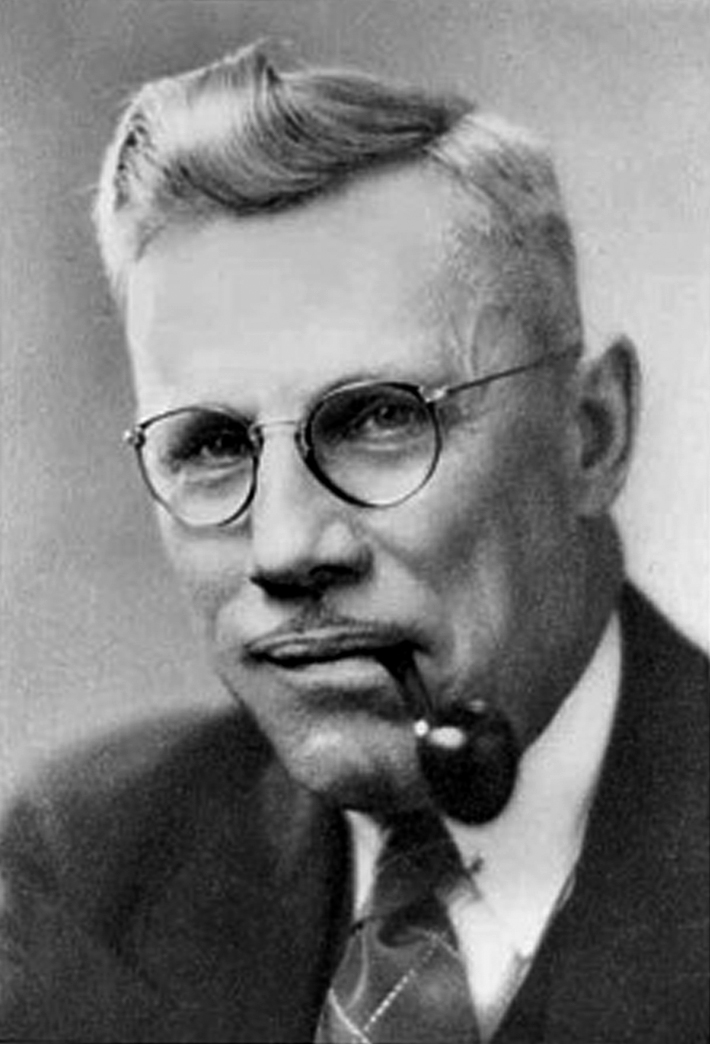
I lost what the Matt Kramer Memorial in Oswald West State Park (pictured here) originally meant to me; I revisited this most sacred spot in Oregon journalism and rediscovered it. (Hint: the word “incisive.”)

I lost a certain voice as a writer; I found the greatest story of my life, or should I say, it found me. It ran me over.

I never lost appreciation for the magic of building driftwood forts.

May 29, 2017

What Does it Augur?

Matt Love NSP Meditations, Oregon Beaches, Poetry bald eagle, beaches, coyotes, dogs, driftwood forts, oregon, oregon beaches, Oregon Coast, secret oregon coast, writing

What does it augur when you…

Stare eye-to-eye at eye-level with a female bald eagle for five minutes perched on a sign ten feet away?

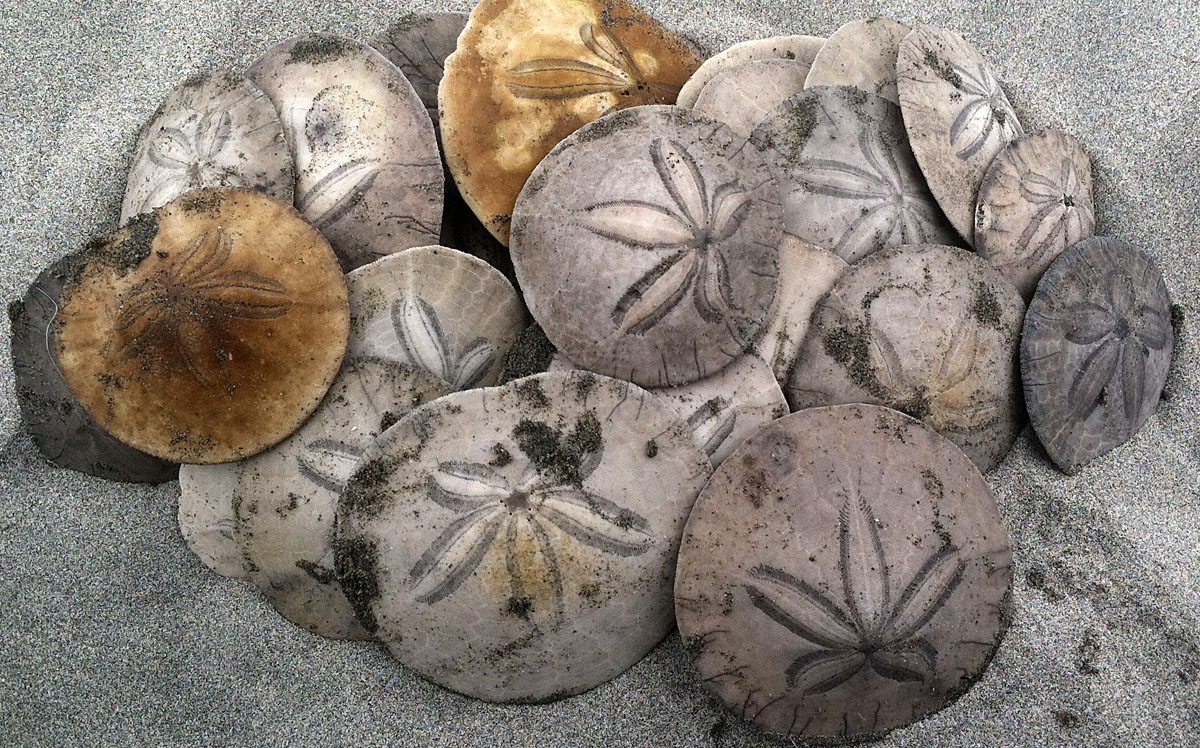
Find 25 sand dollars on a single stroll in the exact same place you found ten sand dollars exactly a year ago with someone you dearly love who becomes giddy at finding sand dollars?

See a regal coyote splayed in a shoulder, so fresh from the kill that rigor hadn’t encroached?

Discover a champagne cork and orange dildo resting inside a driftwood fort you made?

See a dog in your mind that you must liberate from a chain and bring back to life on the beach?

Notice an ancient Chevy Suburban, a woman riding a horse, a surfer, a freighter and a sea lion all paralleling one another from south to north?

Write some lines of blank verse on the card of your probation officer?

They all augur well, gloriously well.

May 27, 2017

Investigating Your Childhood-A Writing Exercise

Matt Love NSP Meditations, Writing childhood, teachers, teaching, writing, writing prompts, writing workshop

In recent weeks, I’ve had a few requests from readers that I post another series of writing prompts. I am happy to do so. These are from my writing workshop called “Investigating Your Childhood” I used it with multiple grade levels and found it produced some highly revealing and delightful remembrances. I always loved encouraging students to write from a space of joy. It’s a healthy process and younger writers seemed more inclined to share pieces of joy as opposed to pain. I remind myself daily to write from a space of joy. The therapeutic benefits of doing so are incalculable.

As for the teaching methodology here, some students blended multiple responses into a larger essay that displayed seamless transitions. Others connected to one prompt and kept going and going. Some even took it a fictional route and created something better they wanted from childhood. These often became short stories.

A while back, I responded to these prompts and the exercise produced some interesting, highly eccentric writing about growing up in Oregon City. (My grade school, now closed, is pictured here.) Oregon City has very much been on my mind of late and I have starting diving deep into its modern lore. There is something unique in my growing up there in the 70s and early 80s. I’m starting to recognize that and it’s exerting a powerful force on my creativity.  I know I have a book in me about OC.

  1. What was your favorite game of childhood?
  2. Describe a time you were lost or alone as a child.
  3. What was the most sacred object from your childhood?
  4. Describe a special or secret place from childhood.
  5. Describe your best friend from childhood.
  6. What was a special home in your childhood?
  7. Describe a time you suffered emotional or physical trauma in childhood.
  8. What was your best or worst moment at school in childhood?
  9. Describe a pet from childhood.
  10. What is a saying or line of dialogue you remember from childhood?
  11. Who or what did you fear in childhood?
  12. Who or what had the most influence on you as a child?
  13. Describe a time you transgressed in childhood.
  14. The thing you remember most from childhood.
  15. What was the hardest lesson you learned from childhood?
  16. What would you do over from childhood?
  17. What childhood do you wish you’d had?
  18. When did your childhood end?
  19. Was there a reoccurring dream or nightmare from your childhood?
  20. What’s something important missing from American childhood today?


May 26, 2017

An OTA Monday Apology

Matt Love NSP Meditations, Oregon Tavern Age bars, drinking, matt love, oregon, Oregon Coast, Oregon tavern age, oregon travel, OTA, secret oregon coast, taverns

(Excerpt from the forthcoming, Oregon Tavern Age: Sketches from Coastal Drinking Life)

There I sat, at a back table in a far corner of an OTA joint, drinking black coffee from a 1970s mug at 11:00 a.m. I was working on a book that will never be published, but writing the book nonetheless. Light leaked through the back door and a game show played on television.

Near me, an OTA man nursed a can of beer and diddled the buxom babes of the video slots. Besides the veteran female bartender, who, along with her brother, co-owns the place, which they recently inherited from their father who owned it for 33 years before dying of cancer, there wasn’t anyone else around.

Stillness reigned. I love stillness.

A somewhat burly man entered through the back door. He went up to the bar where the co-owner sat. She penciled through a crossword puzzle and sipped coffee. He wasn’t there for a drink. He asked if he could talk to her. She agreed. He remained standing. She turned toward him. They began talking.

I caught only bits and pieces of the exchange, but I didn’t need to hear any of the conversation to know what was going down. It was obvious from his leaning body language and softened speech. I’ve witnessed this scene a dozen times and it rarely veers off script.

He had shown up to apologize for his bad behavior in the bar over the weekend. What was the reason? A fight? Harassment? Vandalism? Rude comment to a bartender? Petty theft? Profane gossip? Grinding a tourist? Or, a garden variety miscreant of one kind or another that only OTA soil watered with Fireball can cultivate?

It was a Monday morning in winter and somewhere gray on the North Coast…or Central Coast…or South Coast. The precise location didn’t matter because in OTA country the same scene was unfolding in multiple joints from Astoria to Brookings.

In most cases, it’s a younger man, a local, working class, but once a young woman came forward for penance. I recall only one instance where the man didn’t come alone. What a night that must have been if it called for a dual, tag-team apology.

Monday is the reckoning. Monday is when the owner hears the apology. Monday is when the owner decides to accept the apology and welcome the miscreant back into the fold or exile him forever into the wilderness of Chinese lounge gin and tonics. Something just couldn’t be forgiven.

From what I’ve observed, it usually tips 90-10 for acceptance. If the apology is accepted, I always see a hug or handshake exchanged. Maybe even a draft poured to break bread again. There might even be restitution of a cord of wood for the tavern woodstove.

A sentence of permanent exile is hard to watch being meted out, but I’ve seen it. He’s not even welcome for the holiday potlucks. That was all he had on the holidays and he always brought something.

On this Monday morning on the Oregon Coast, the owner accepted the apology. I could tell that. He left a short time later and I went back to the book. The owner went back to the crossword.

Try this metaphor out: consider a few OTA lives as ships at sea. Sometimes the seas turn rough and the skipper hits the sauce too hard and can’t see the dangerous swells. He’s not even at the helm. The tavern provides ballast in the ship’s hold, keeping the craft afloat when breakers of alcohol should have capsized it. Yes, there is a dangerous irony creeping around here. I’m not blind to it, but I choose to look beyond because there is more there.

Sometimes, there is nothing semi-orderly in OTA lives, or all our lives for that matter, except the tavern or the metaphor of the tavern; the tavern will always take them in. I know this. The tavern has taken me in, too.

 (If you found this post enjoyable, thought provoking or enlightening, please consider supporting a writer at work by making a financial contribution to this blog or by purchasing an NSP book.)
«‹ 303 304 305 306›»

Teacher of the Year: A Novella

By Matt Love

A reluctant teacher becomes advisor to a moribund high school newspaper. He meets the new editor, a dynamic 18-year-old senior, and together they begin a unique creative collaboration that revives the publication and slowly slides into gray areas. As the poet Octavio Paz wrote, “To realize itself, love must violate the rules of our world...committed by two stars that break out of the conception of love, which implies breaking away and a catastrophe..."

Teacher of the Year
Amazon's Kindle Edition $6.99

Teacher of the Year unfolds in an energetic mixture of epistle, stream-of-consciousness, narrative and meditations on the craft and alchemy of teaching. There is no other more authentic literary exploration into the agonies and ecstasies of teaching in the annals of American literature than this novella.


A Substantial but Incomplete Autobiography in Poems

By Matt Love

In perhaps the largest, most eclectic volume of previously unpublished poetry in the history of Pacific Northwest literature, Matt Love presents 148 poems written over a 30-year span.

As he writes in the introduction to A Substantial but Incomplete Autobiography in Poems, “I have organized this collection into six categories: Ocean, Love, My Life, Oregon Tavern Age, Homelessness, Probation. These poems serve as a substantial but incomplete autobiography.”

“Confessionals, odes, scatological doggerel, polemics, tankas, haiku, prose, psalms, requiems, observations, love letters, lamentations, lyrics, stream of consciousness, meditations, lists, riffs, a eulogy, a sermon, a commencement speech, found poetry, tributes, elegies. I threw it all into an ancient cement mixer and hand cranked that concrete beast while watching blue herons undulate overhead and drinking red wine as the husky snoozed in his dirt fort. The result: A Substantial but Incomplete Autobiography in Poems, something merging where Charles Bukowski, Richard Hugo, Mary Oliver and Liz Phair blend together.”

None of Love's poems were ever submitted to poetry journals, contests or magazines, making this collection a true renegade project of passion and readable to any denizen of a coastal dive bar.

Amazon's Kindle Edition $7.99 (Free if you have Kindle Unlimited)

Recent Posts

  • Eulogy for Mark
  • Mark Leavenworth RIP
  • Roast Ruminations
  • Stand Em’in the Corner
  • Fasting Ruminations

Categories

  • Astoria
  • Bonnie and Clyde Files
  • Coos Bay
  • Corona Virus Thoughts
  • Driftwood Forts
  • Fiction
  • Lost and Found
  • NSP Correspondents
  • NSP Meditations
  • Of Walking in Rain
  • Oregon Beaches
  • Oregon Coast_History
  • Oregon Tavern Age
  • Pioneer Pride
  • Poetry
  • secret coast radio
  • Sports
  • Writing

↑

© Nestucca Spit Press Meditations Blog 2026
Powered by WordPress • Themify WordPress Themes